
I’ve had three kids, and I know the breastfeeding phase well: the soggy biscuit and the cold cup of tea, eaten one handed at 3am. So let me take some pressure off first. There is no special breastfeeding diet. I guess the key thing is that a few nutrients, a bit more food and some simple habits matter more now, and most of it is very doable on broken sleep.
By Katrina Ridout, Accredited Practising Dietitian (APD), Brisbane. Reviewed October 2026.
Table of Contents
- How many extra calories do you need when breastfeeding?
- Which nutrients matter more while you are breastfeeding?
- What does a healthy breastfeeding plate actually look like?
- Do lactation cookies and oats really boost your milk supply?
- How much caffeine and alcohol is okay when breastfeeding?
- Should you avoid any foods while breastfeeding?
- Can a dietitian help you with breastfeeding nutrition?
- Key Takeaways
- References
How many extra calories do you need when breastfeeding?
You will often see a figure of around 2000 extra kilojoules, or about 500 calories, a day. Your own needs shift with how often you feed, whether you are mixed feeding and how old your baby is, so treat that number as a rough guide rather than a target to hit.
Strict counting is rarely the point. Your appetite, your baby’s growth and your own energy are useful guides. Steady, regular eating matters more than a precise number. If you feel hungry, eat. If you are too tired to cook, a paired snack still counts: something like a slice of wholegrain toast with peanut butter, or yoghurt with a handful of nuts.
Which nutrients matter more while you are breastfeeding?
Several nutrients are needed in greater amounts while you are breastfeeding, including vitamin A, vitamin B6, vitamin B12, vitamin C, folate and iodine. Your body works hard to keep your milk on track, but your own stores can dip if your intake does not keep up.
Iodine is the one I mention to every breastfeeding mum. The National Health and Medical Research Council recommends a daily iodine supplement of 150 micrograms while breastfeeding, to support your baby’s brain and nervous system development. If you have a thyroid condition, check with your doctor before you start one.
Vitamin B12 needs a closer look if you are vegetarian or vegan. Eggs and dairy cover it for many vegetarians, but if you avoid those too, fortified foods or a supplement are usually needed. Vitamin D, iron and omega-3 are also worth checking individually, ideally against your bloods. We use supplements to supplement your diet, not replace it.
What does a healthy breastfeeding plate actually look like?
It looks like a generous, ordinary plate of food, with more serves than you might expect. Eat for Health recommends around 7 and a half serves of vegetables and legumes and 9 serves of grain foods, mostly wholegrain, each day while breastfeeding, plus 2 serves of fruit, 2 and a half of lean meat, fish, eggs, nuts or legumes, and 2 and a half of dairy or alternatives.
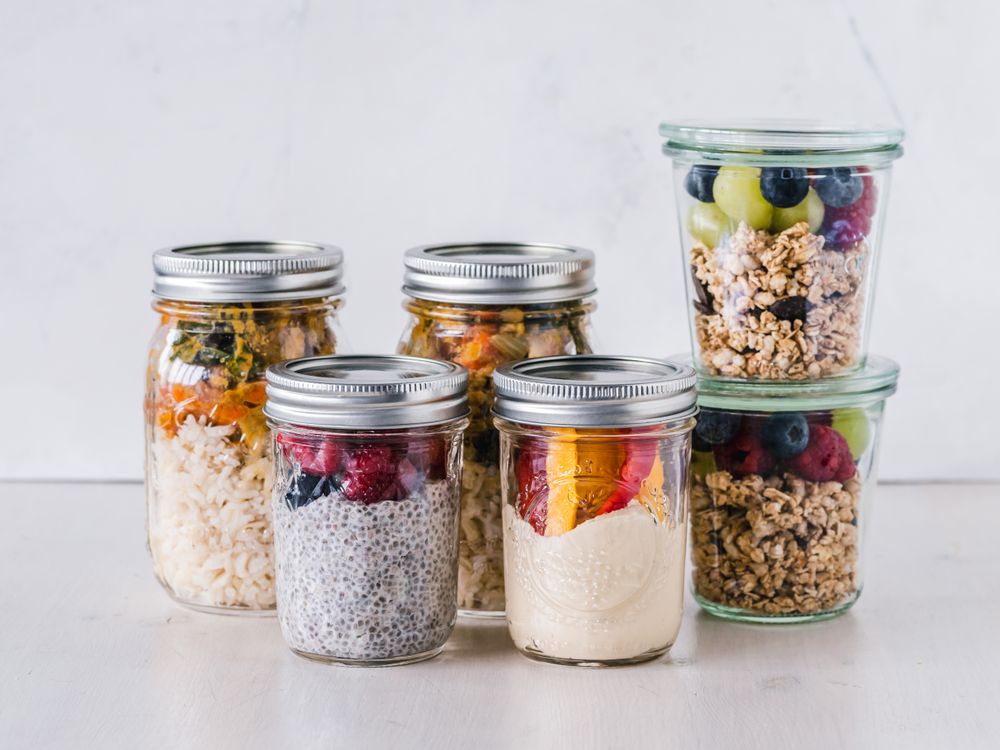
In everyday terms, that might be porridge with fruit for breakfast, a wholegrain sandwich with salad at lunch, pasta with plenty of vegetables at dinner, and snacks like yoghurt, cheese on crackers, nuts, fruit or a smoothie. On the tired days, grab and go is completely fine. Batch cooking helps too: double it, and put half in the freezer.
Do lactation cookies and oats really boost your milk supply?
There is no clear evidence that oats or lactation cookies increase milk supply. Oats are a lovely wholegrain, but they are not a wonder food in itself. The evidence for fenugreek and other herbs is limited and of low quality, so I would not lean on them.
What does support supply is frequent, responsive feeding and enough overall food and fluid. Supply is driven mostly by demand. If you are worried about supply, your midwife, child health nurse or a lactation consultant is the right first call, and a dietitian can make sure your own intake is backing you up.
How much caffeine and alcohol is okay when breastfeeding?
Caffeine in moderation is fine. Pregnancy, Birth and Baby puts the limit at 200mg a day in total while breastfeeding, which is roughly one to two espressos, two to three instant coffees or three to five cups of tea. Some caffeine does reach your milk, and too much can leave a baby wakeful and unsettled, so count the shots across the day.
Alcohol is different. Pregnancy, Birth and Baby advises that it is safest not to drink while breastfeeding. Alcohol passes into breast milk, and expressing and throwing milk away does not help your body clear it any faster. If you do choose to have a drink, plan it for straight after a feed and talk with your midwife or GP about timing.
Should you avoid any foods while breastfeeding?
Mostly no, and there is no need to stop eating fish. Food Standards Australia New Zealand says no one, including breastfeeding women, needs to give up fish. It is only the bigger predatory fish, such as shark (flake) and billfish like swordfish and marlin, that are worth limiting because of mercury. Tinned tuna and salmon are fine, so eat the fish you actually like.
If you suspect a food is bothering your baby, look for signs like rash, diarrhoea or wheezing, and talk to your GP or child health nurse before cutting anything out. Unnecessary restriction can do more harm than good. Most mums do not need to avoid dairy, garlic or spicy meals without a clear reason, and any trial elimination should be short and guided.
Can a dietitian help you with breastfeeding nutrition?
Yes. When I see a breastfeeding mum, we look at the whole picture together: what you are already eating (usually a good baseline), the two or three nutrition gaps worth filling, your supplements, and how to make it all work on interrupted sleep. Simple little switches, not a whole new diet. Telehealth works well here, pyjama pants and bubs in your arms welcome.
I’m Katrina Ridout, an Accredited Practising Dietitian (APD). I see women in person at Milton Village Medical, Level 1, 36 Baroona Road, Milton QLD 4064, and by telehealth Australia-wide. A Medicare rebate may be available for eligible patients on a GP Chronic Condition Management Plan. Nutrition supports, and never replaces, your medical and midwifery care.
If you would like a hand, call me on 1300 640 104. I really look forward to supporting you. Kat xx
This is general information, not individual advice.
Key Takeaways
- Around 2000 extra kilojoules, or about 500 calories, a day is a commonly quoted guide, though your needs vary.
- NHMRC recommends a 150 microgram iodine supplement daily while breastfeeding; check with your doctor first if you have a thyroid condition.
- Eat for Health recommends about 7 and a half serves of vegetables and 9 serves of grains a day while breastfeeding.
- There is no clear evidence that oats or lactation cookies increase milk supply; frequent feeding drives supply.
- Keep caffeine to 200mg a day in total. Not drinking alcohol is the safest choice while breastfeeding.
- Keep eating fish; just limit shark (flake) and billfish because of mercury.
Kat works one to one on postpartum and breastfeeding nutrition in person in Milton, Brisbane, or by telehealth anywhere in Australia. See how her postpartum and breastfeeding service works.
References
- Iodine supplementation for pregnant and breastfeeding women. National Health and Medical Research Council.
- Recommended number of serves for adults. Eat for Health, Australian Government.
- Caffeine during pregnancy and breastfeeding. Pregnancy, Birth and Baby.
- Alcohol, pregnancy and breastfeeding. Pregnancy, Birth and Baby.
- Mercury in fish. Food Standards Australia New Zealand.