Almost every pregnant woman in Australia gets handed a list. Sometimes it comes from the midwife, sometimes from a pamphlet, and very often from a search at eleven at night after somebody at work said something alarming about soft cheese. The lists rarely agree with each other, and almost none of them explain why anything is on them.
This is the Australian version, built on what Food Standards Australia New Zealand (FSANZ) and the national guidelines actually say. It is general education rather than individual advice, and it is written by an Accredited Practising Dietitian (APD) who has had this conversation several hundred times.
One thing to say at the start. The point of food safety in pregnancy is not to shrink your diet down to plain crackers. It is to avoid a small number of genuine risks while still eating enough, which matters enormously and gets lost in the panic.
Listeria, and why the list looks like it does
Nearly everything on the classic avoid list is there for one reason: listeria. It is rare, but it is more dangerous in pregnancy, and it has an awkward habit of growing in the fridge where other bacteria will not.
FSANZ names the higher-risk foods directly: cold meats from delicatessen counters and sandwich bars, and packaged sliced ready-to-eat meats; cold cooked ready-to-eat chicken; chilled seafood such as raw oysters, sashimi and sushi, smoked ready-to-eat seafood and cooked ready-to-eat prawns; soft, semi-soft and surface-ripened cheeses such as brie, camembert, ricotta, blue and feta, unless they are thoroughly cooked; refrigerated pate or meat spreads; pre-prepared or pre-packaged fruit or vegetable salads; and rockmelon, raw seed sprouts, soft serve ice cream and unpasteurised fruit juices.
Read that list again and notice the pattern. It is almost entirely food that sits chilled and ready to eat, without a cooking step between the factory or the deli counter and your mouth. That is the actual rule underneath the list, and once you have it you can work out the edge cases yourself. Ricotta stirred through a lasagne and baked is not the same food as ricotta from the tub. A ham sandwich made at the deli at nine in the morning and eaten at one is not the same as ham you have heated until it is steaming.
The timing catches people out too. Listeria symptoms usually start about three weeks after eating contaminated food, and can appear anywhere from three to seventy days later. So a vague unwell feeling a fortnight after a party is worth mentioning to your GP rather than dismissing.
The part the lists leave out
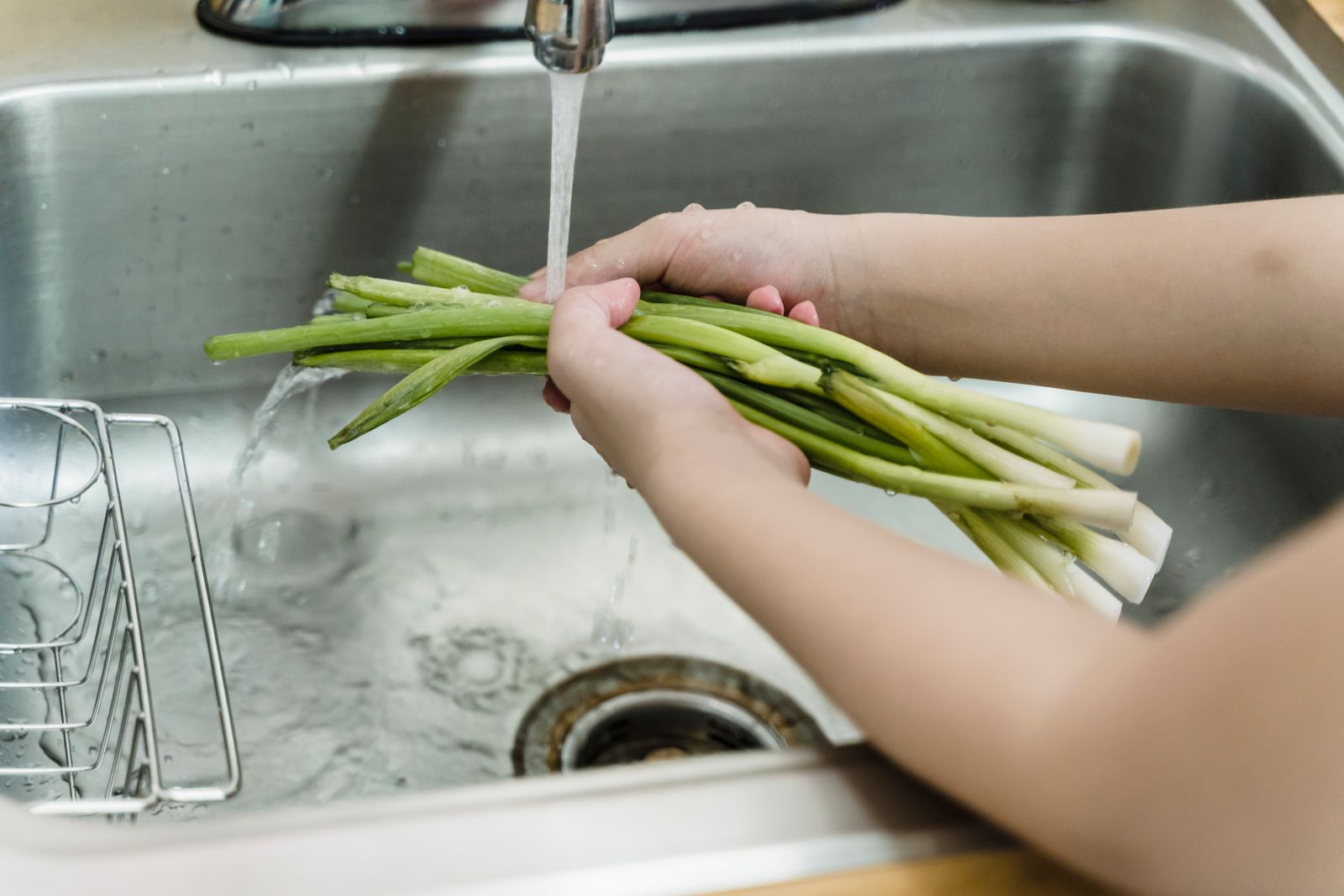
Food handling at home does more work than the avoid list does, and it gets a fraction of the attention.
Keep the fridge at five degrees or colder, and check it rather than assume it, because fridge dials are often optimistic. Eat leftovers within three to four days, and FSANZ is stricter for vulnerable groups, which in pregnancy means within a day. Reheat until the food is steaming hot right through, which is about seventy-five degrees, not merely warm in the middle. Wash fruit and vegetables. Keep raw meat away from everything ready to eat.
None of this is exciting, and all of it does more for you than swearing off feta.
Fish, mercury and the serve that people skip
Fish is where advice goes wrong most often, because women hear mercury and quietly stop eating fish altogether. That is the wrong answer, and it costs you nutrients that are genuinely useful in pregnancy.
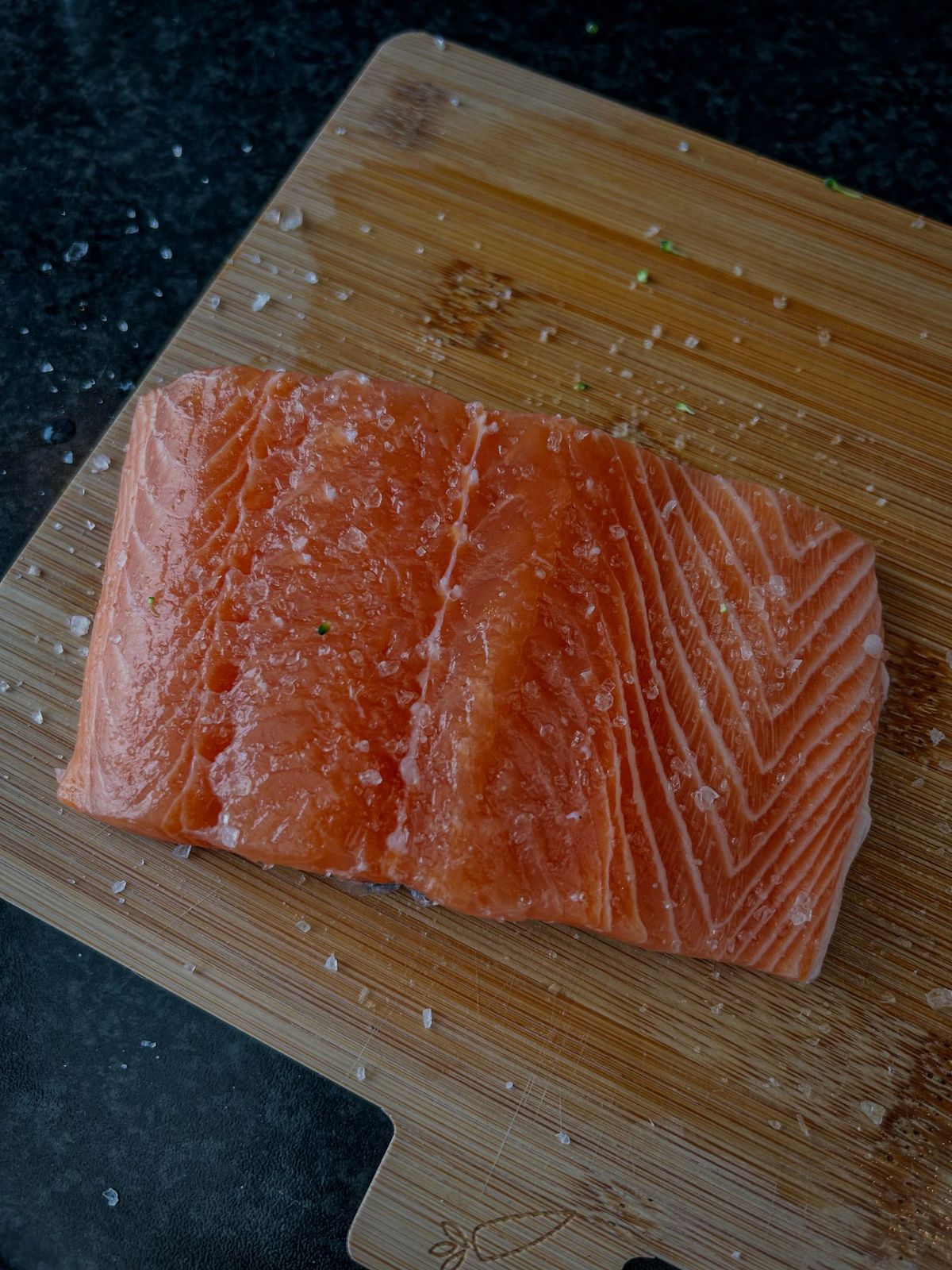
FSANZ is clear that it is safe to eat two to three serves of fish a week. What matters is limiting the species that carry more naturally occurring mercury, and it names flake, swordfish and orange roughy. The everyday Australian options, salmon, tinned tuna in moderation, sardines, prawns cooked properly, are not the problem.
One more from FSANZ that almost nobody knows: pregnant and breastfeeding women, and children, should have no more than one serve a week of brown seaweed.
Alcohol, caffeine and vitamin A
On alcohol the Australian guidelines are not ambiguous and there is no point in me softening them. Women who are pregnant or planning a pregnancy should not drink alcohol, and for women who are breastfeeding, not drinking is safest for the baby.
Caffeine is a limit rather than a ban. Your maternity team will give you a figure, and it is usually framed as a small number of coffees a day. Worth remembering that tea, cola, energy drinks and chocolate all count toward it, which is how people end up over without noticing.
Vitamin A is the one that sounds obscure until it matters. The concern is retinol in high doses, which is why liver and liver products, and high-dose vitamin A supplements, are usually left out in pregnancy. The beta-carotene in carrots and sweet potato is a different thing and is not the issue. If you want the actual numbers, including where the upper level sits and why it applies to supplements rather than vegetables, I have written them out in this piece on vitamin A and vitamin K in pregnancy.
What to actually do with all this
If you take three things from this page: the underlying rule is chilled and ready to eat, your fridge and your reheating matter more than your cheese board, and you should keep eating fish.
And if the list has started to eat your whole diet, which happens more often than anyone admits, that is worth a conversation. Pregnancy is not the time to be eating less than you need because a website frightened you.
Katrina Ridout is an Accredited Practising Dietitian and a pregnancy dietitian in Brisbane, consulting by telehealth Australia-wide. You can read more about pregnancy nutrition support, or book a fifteen-minute callback here.
This article is general education and is not individual advice. It aligns with FSANZ food safety guidance and the Australian Dietary Guidelines, and sits alongside the care of your midwife, obstetrician and GP, never in place of it.