Preeclampsia is a pregnancy complication characterised by high blood pressure and signs of damage to other organ systems, often the kidneys. It typically occurs after 20 weeks of pregnancy and can pose serious risks to both the mother and baby if not managed properly. Understanding preeclampsia and adopting appropriate lifestyle and dietary strategies is essential for expectant mothers.
Katrina Ridout, an Accredited Practising Dietitian & Nutritionist, emphasises that diet plays a significant role in supporting maternal health during pregnancy, especially when managing conditions like preeclampsia.
What is Preeclampsia?
Preeclampsia involves a sudden increase in blood pressure, which can lead to complications such as organ damage, premature birth, or restricted foetal growth. Symptoms may include swelling, headaches, and visual disturbances, although sometimes it develops silently. Early diagnosis and management are crucial.
The Role of Diet in Managing Preeclampsia
While there is no single food or diet that can cure preeclampsia, maintaining balanced nutrition can support overall pregnancy health and may help reduce complications. Pregnant women should focus on wholesome, nutrient-rich foods and avoid certain items that can exacerbate symptoms.
Recipes and lists only go so far. If you would like a plan built around your pregnancy, your appetite and your week, book a free 15-minute call with Kat Ridout, Accredited Practising Dietitian.
Nutritional Focus Areas
Balanced Sodium Intake
Controlling salt intake is often recommended to manage blood pressure. However, completely eliminating sodium is not advised during pregnancy. Katrina Ridout suggests moderation, using natural herbs and spices to enhance flavour instead of excessive salt.
Rich in Antioxidants and Fibre
Foods high in antioxidants, such as colourful fruits and vegetables, can support vascular health. Wholegrains, pulses, and fibre-rich foods help maintain steady blood sugar levels and support digestion.
Adequate Protein
Protein supports foetal growth and repair of body tissues. Lean meats, dairy, nuts, and pulses are recommended as part of daily meals.
Hydration
Staying well-hydrated is important, as dehydration can worsen blood pressure. Drinking plenty of water throughout the day is encouraged.
Dietary Approaches by Katrina Ridout
As a dietitian Brisbane trusts for pregnancy nutrition, Katrina Ridout provides practical guidance on managing diet with preeclampsia:
- Emphasising pregnancy dishes that incorporate fresh vegetables, lean proteins, and wholegrains.
- Offering nutritious recipes for pregnancy designed to support both mother and baby while keeping blood pressure stable.
- Advising on things you can’t eat while pregnant, including excessive caffeine, unpasteurised dairy, and processed foods high in salt and sugar.
Katrina also highlights the importance of listening to your body, especially during times of being hormonal when pregnant, which can affect appetite and food preferences. Working with an Accredited Practising Dietitian & Nutritionist can help tailor meal plans that meet both nutritional needs and personal comfort.
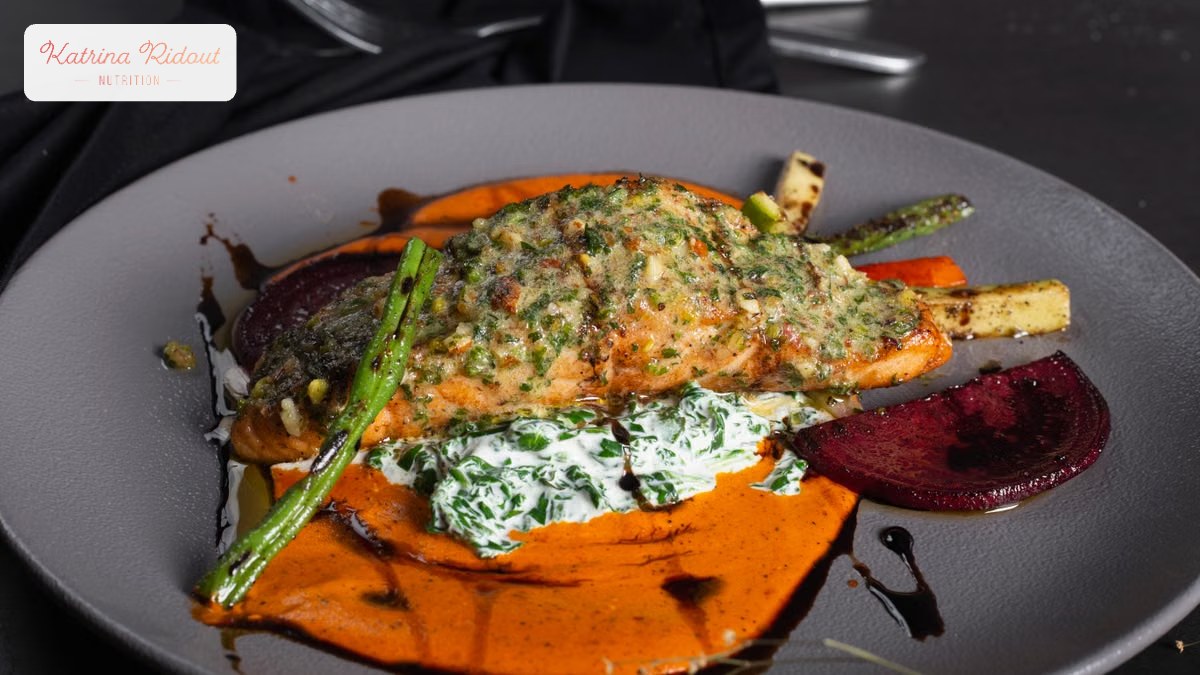
Balanced dinners built around fish and vegetables are a lovely template for pregnancy meals.
Sample Meal Ideas
- Grilled chicken with quinoa and steamed broccoli
- Lentil and vegetable stew with herbs
- Fresh fruit salad with Greek yoghurt
- Wholegrain toast topped with avocado and tomato
Each of these options can be part of varied pregnancy dishes that contribute to a balanced diet and support managing preeclampsia.
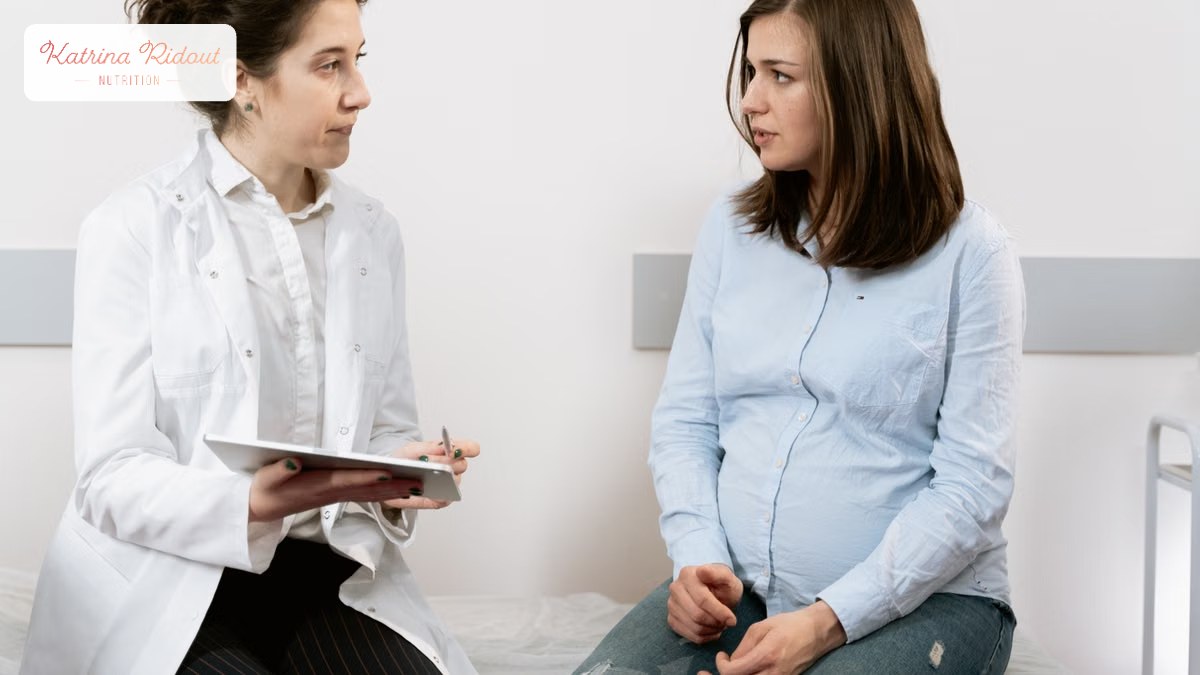
If preeclampsia is on your radar, your care team and a dietitian can support you together.
When to Seek Professional Help
If you are diagnosed with preeclampsia, it is important to work closely with your healthcare team, including your obstetrician and dietitian. A dietitian in Brisbane like Katrina Ridout can offer personalised advice, ensuring your meals are both safe and nourishing.
Preeclampsia is a serious condition that requires careful management, and diet can play a supportive role in this process. By focusing on balanced, nutrient-dense foods and avoiding certain items during pregnancy, women can help maintain their health and the health of their baby.
If you need guidance on meal planning or managing dietary needs during pregnancy, consult Katrina Ridout, an Accredited Practising Dietitian & Nutritionist, who can provide professional support tailored to your individual situation.
If you would like to talk any of this through against your own history, you can read more about working with a pregnancy dietitian in Brisbane.
Recipes and lists only go so far. If you would like a plan built around your pregnancy, your appetite and your week, book a free 15-minute call with Kat Ridout, Accredited Practising Dietitian.