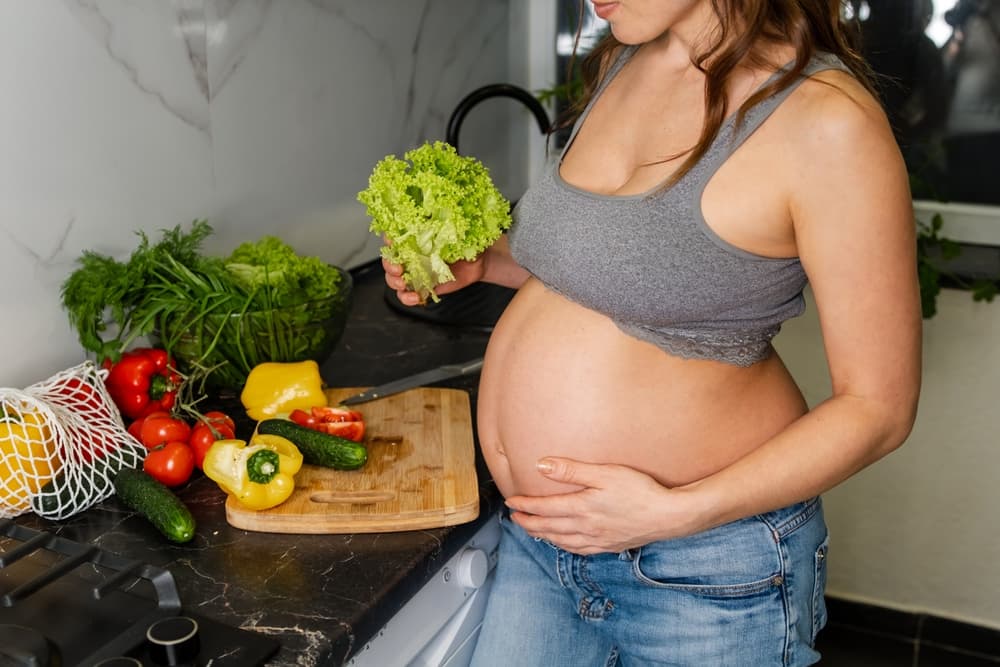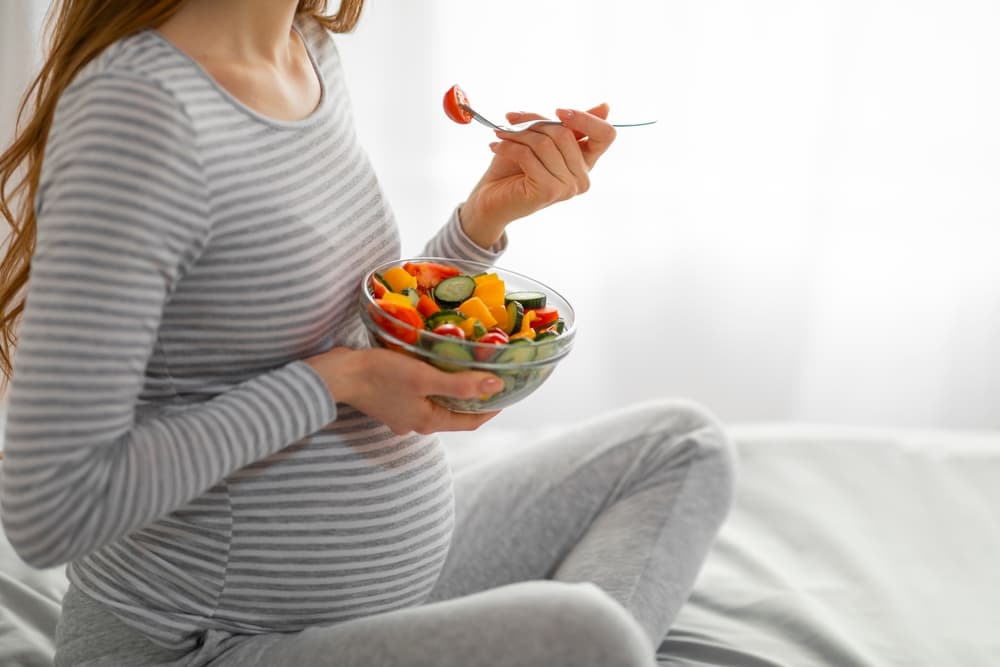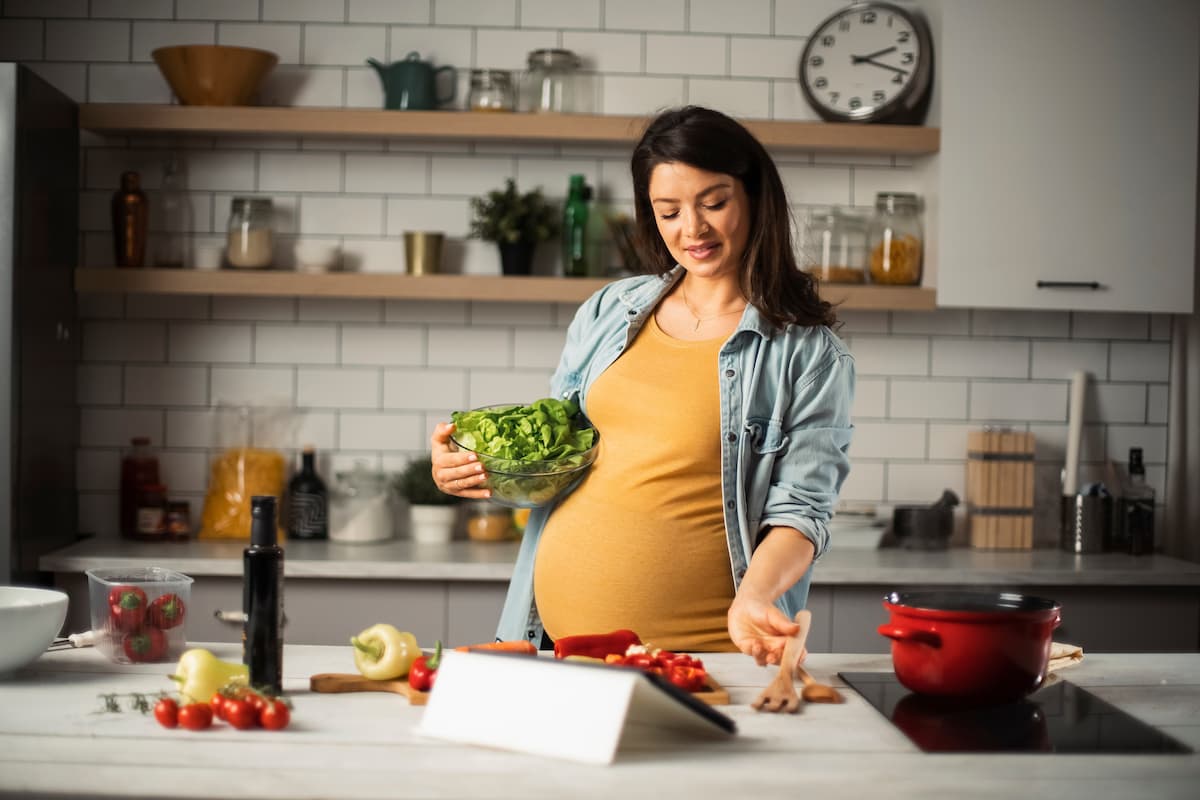
When it comes to fertility, the food you eat can influence more than just your general health, it can directly affect ovulation and hormone balance. The right dietary choices can support your body in regulating menstrual cycles, improving egg quality, and preparing for a healthy pregnancy.
Nutrition and Hormonal Health
Hormones play a central role in reproduction, and their balance is key to healthy ovulation. Poor dietary habits, such as excessive processed foods and refined sugars, can disrupt insulin and other hormones, which in turn may interfere with ovulation. By focusing on whole, nutrient-dense foods, you can support the stability of your hormonal system.
Working with a professional like Katrina Ridout, an Accredited Practising Dietitian & Nutritionist in Brisbane, can help tailor a nutrition plan that supports hormonal balance and reproductive health.
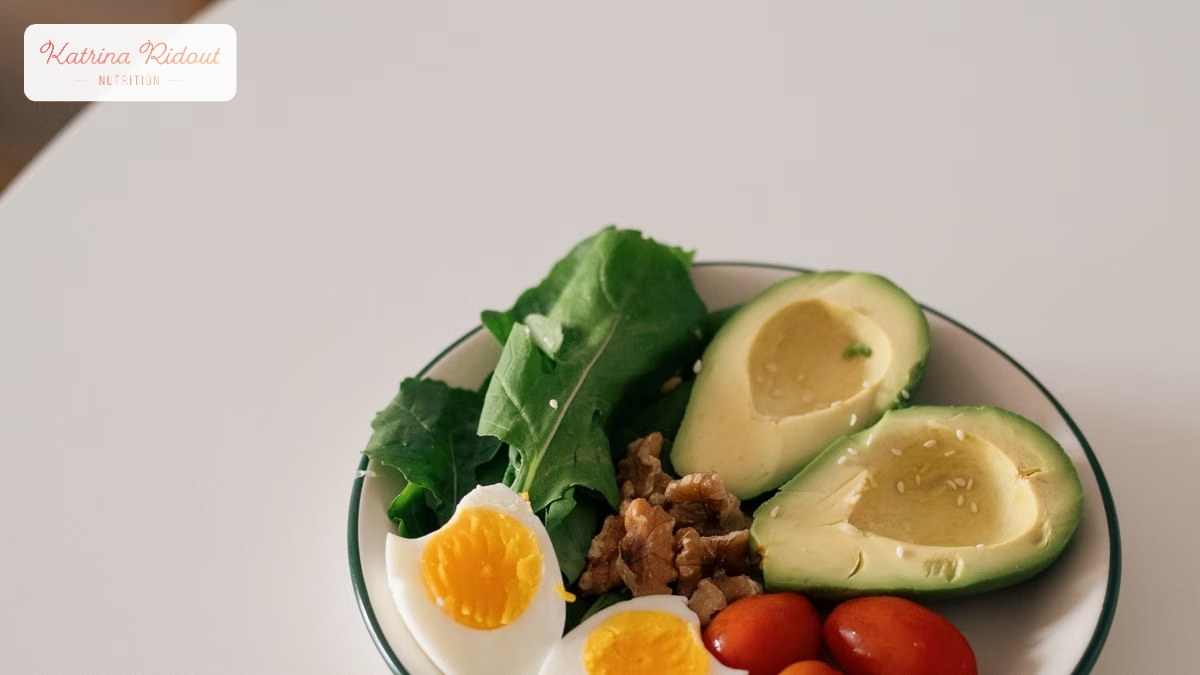
Eggs, leafy greens, walnuts and avocado all bring nutrients that support hormonal health.
Key Nutrients That Influence Ovulation
Certain nutrients are particularly important for regulating ovulation and preparing the body for conception.
- Healthy fats: Omega-3 fatty acids found in fish, nuts, and seeds help regulate reproductive hormones and reduce inflammation.
- Protein: A mix of plant-based and lean animal protein supports stable blood sugar and hormone regulation.
- Micronutrients: Iron, zinc, selenium, and folate all contribute to reproductive function and hormone regulation.
These nutrients also support the production of pregnancy hormones, which are vital when preparing the body for conception.
Diet and Hormone Balance During Pregnancy
A balanced diet doesn’t stop being important once conception occurs. Supporting hormones in pregnant women requires consistent intake of vitamins and minerals to stabilise mood, energy, and physical changes. Maintaining steady hormone levels while pregnant is linked to improved outcomes for both mother and baby.
For example, folic acid and other vitamins in pregnancy, such as Vitamin D and B12, are crucial for foetal development and maternal health. Nutrition directly influences how these hormones function during the stages of pregnancy.
Lifestyle Choices That Complement Diet
Beyond specific nutrients, lifestyle habits can either support or disrupt ovulation and hormone balance:
- Consistent meal timing helps regulate insulin, a hormone closely tied to ovulation.
- Adequate hydration ensures efficient transport of nutrients and hormone regulation.
- Physical activity supports a healthy body weight, which reduces the risk of hormonal imbalances.
- Stress management techniques like yoga or meditation can also improve reproductive hormone balance.

Writing down how you eat and feel each week often reveals patterns worth exploring together.
Personalised Nutrition Support
Every person’s body is unique, and dietary needs vary depending on age, health status, and fertility goals. Consulting a professional ensures your plan is safe and effective. That’s where guidance from Katrina Ridout, Accredited Practising Dietitian & Nutritionist in Brisbane, becomes valuable. She provides evidence-based advice that considers both fertility and overall wellbeing.
Diet can play a powerful role in supporting ovulation and balancing reproductive hormones. By making thoughtful food choices and seeking personalised guidance, you can improve your chances of healthy conception and pregnancy. Whether you’re preparing for fertility treatment or aiming to support your natural cycle, nutrition remains one of the most effective tools at your disposal.