Yes, a dietitian can help with endometriosis, and telehealth means you can do it from your couch on a bad pain day, anywhere in Australia. I guess the key thing is this: food supports your medical care, it doesn’t replace it. There’s no single “endo diet”, and no one can promise that changing what you eat will remove lesions or take the pain away. What we can do is work on the things food really does touch, like gut symptoms, energy and iron.
By Katrina Ridout, Accredited Practising Dietitian (APD), Brisbane. Reviewed October 2026.
Table of Contents
- What does an endometriosis dietitian actually do?
- How does a telehealth endometriosis dietitian appointment work?
- What does the evidence say about diet and endometriosis?
- Which eating patterns are worth trying for endometriosis symptoms?
- Can the low FODMAP diet help with endo-related gut symptoms?
- Why do iron, bleeding and gut health matter so much with endometriosis?
- How I can help
- Key Takeaways
- References
What does an endometriosis dietitian actually do?
An Accredited Practising Dietitian (APD) looks at your whole picture: symptoms, eating patterns, gut health, iron status and the medical care you already have. From there you get a plan built for you, not a generic list of foods to avoid. The goal is practical support that fits your life, not another set of rigid rules.
Nutrition can realistically support gut symptoms, energy levels, iron status and overall wellbeing in endometriosis. It cannot remove endometriosis lesions, and it’s never a stand-in for your GP, gynaecologist or fertility specialist. A dietitian works alongside them.
Endometriosis is common. Around 1 in 7 women born in 1973 to 78 had been diagnosed by age 44 to 49, according to the Australian Institute of Health and Welfare. Diagnosis often takes years, so many women arrive having already tried a lot on their own.
How does a telehealth endometriosis dietitian appointment work?
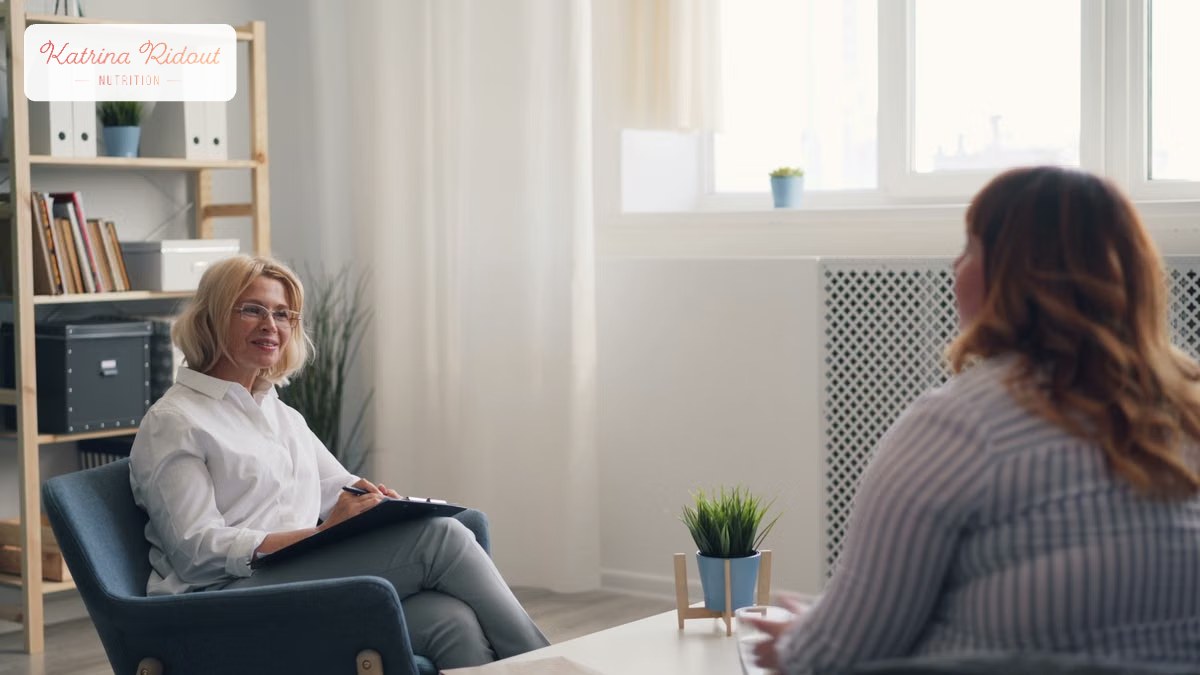
A telehealth appointment runs by telehealth or phone from home. No travel, no waiting room, no parking, which matters a lot on high-pain days. You can join from the couch, your bed, or anywhere private.
In a first appointment we go through your health history, your symptom patterns and what a typical day of eating looks like, then talk about what you want to get out of it. A written plan follows the consult, including any supplement suggestions, so you’re not left trying to remember everything we covered.
A Medicare rebate may be available for eligible patients on a GP Chronic Condition Management Plan. Your GP can tell you whether you’re eligible.
What does the evidence say about diet and endometriosis?
What we do know is honest but modest. Research on diet for endometriosis is limited and much of it carries a moderate to high risk of bias, so no one can promise a diet will reduce pain. The European Society of Human Reproduction and Embryology (ESHRE) endometriosis guideline says no specific nutritional intervention can be recommended for endometriosis pain, because the benefits and harms are still unclear.
At the same time, in a national Australian survey, 44% of women with endometriosis used dietary strategies and rated them on average 6.4 out of 10 for pelvic pain relief (Armour et al., 2019). That’s useful context, not a promise, and it’s exactly why individual support matters more than any one diet you’ll find online.
Which eating patterns are worth trying for endometriosis symptoms?
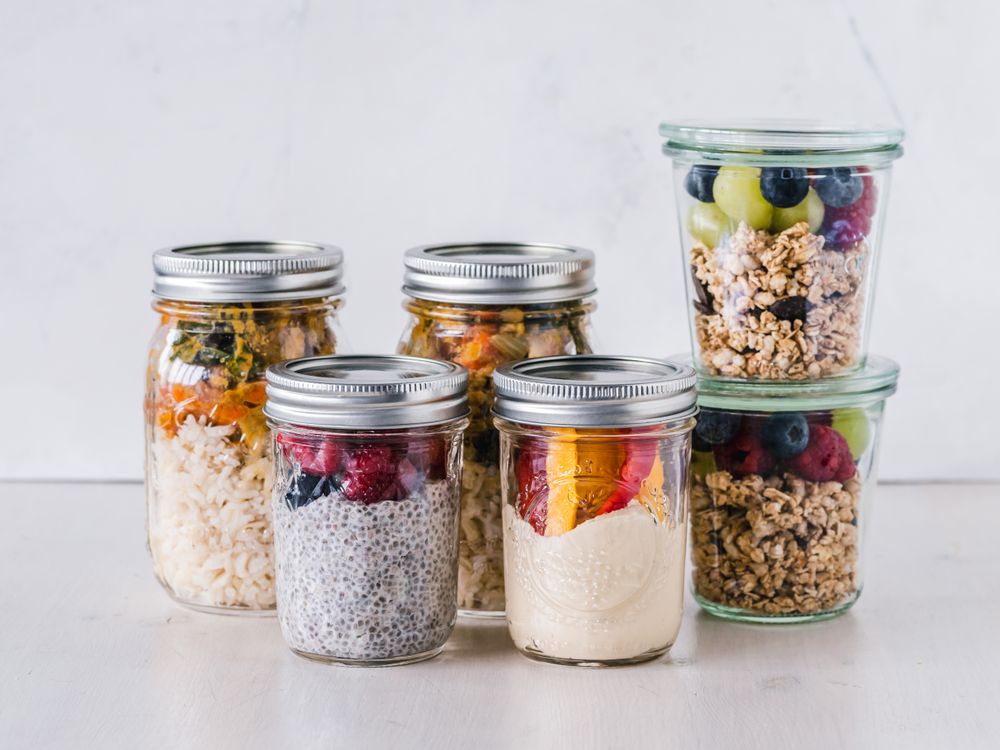
An anti-inflammatory style of eating built on adding rather than cutting out is a sensible place to start. Think omega-3 fats from fish two to three times a week, colourful vegetables, wholegrains, regular protein and enough fluid. The question I like to ask is “What can I add in here today?”
A regular rhythm helps too: three meals and two or three snacks, roughly every three to four hours, starting not too long after you get up. Observational research has linked higher omega-3 intake with lower endometriosis risk (Missmer et al., 2010) and higher red and processed meat intake with higher risk (Yamamoto et al., 2018). These are associations, not proof of cause, but they line up nicely with a good baseline diet anyway.
There’s no one perfect “endo diet”. The goal is a pattern you can actually stick with.
Can the low FODMAP diet help with endo-related gut symptoms?
For many women, yes. The low FODMAP diet is one of the most studied tools for endometriosis-related gut symptoms, and it should be guided by a dietitian rather than done alone. It isn’t a first step for everyone, and it isn’t a forever diet.
In an Australian study, 72% of women with endometriosis and IBS-type symptoms had more than a 50% improvement in gut symptoms on a low FODMAP diet, compared with 49% of those without endometriosis (Moore et al., 2017). You can read more about how FODMAPs work from Monash University.
This approach targets gut symptoms, not the lesions themselves. It works in three phases: restriction, reintroduction and personalisation. I guide you through each one so you’re not restricting for longer than you need to.
Why do iron, bleeding and gut health matter so much with endometriosis?
Heavy periods are very common with endometriosis and can lead to iron deficiency anaemia, so iron intake and monitoring deserve real attention. A lot of women are told their tiredness is normal when it may be low iron.
The gut microbiome is an emerging area of research. Early studies suggest women with endometriosis may have a different gut bacteria profile, and some gut bacteria play a role in how oestrogen is processed. It’s interesting, but it’s not a proven treatment pathway yet.
Looking at iron-rich foods, absorption and gut triggers together, rather than one at a time, really matters. Iron supplements can upset the gut, and low FODMAP changes can affect how much iron you eat, so one change can knock on to the other.
How I can help
I’m Kat, an Accredited Practising Dietitian working with women through fertility, pregnancy and postpartum, and endometriosis often sits right in the middle of that. I see women in person at Milton Village Medical, Level 1, 36 Baroona Road, Milton QLD 4064, and by telehealth anywhere in Australia. You can leave your pyjama pants and Ugg boots on.
We start with what you’re already doing well, then pick two or three gaps and work on simple little switches. I work in with your GP and specialist, and I’ll write back to them so everyone’s on the same page. Always go on your specialist for the medical side.
Before your first chat, it helps to have recent bloods, photos of any supplements (the back and the front) and a jotted typical day of eating. No stress if you don’t get a chance.
If you’d like to talk it through, call 1300 640 104 or book a free 15-minute call. You can also read how I work with endometriosis, in person in Milton or by telehealth, on my endometriosis service page. I really look forward to supporting you.
Kat xx
This article is general information, not individual medical advice.
Key Takeaways
- A telehealth endometriosis dietitian provides individual, evidence-based nutrition support from home, anywhere in Australia.
- Nutrition can support gut symptoms, energy, iron and overall health in endometriosis, but it does not remove lesions or replace medical care.
- The ESHRE guideline says no specific nutritional intervention can be recommended for endometriosis pain because the benefits and harms are unclear.
- In a national Australian survey, 44% of women with endometriosis used dietary strategies and rated them on average 6.4 out of 10 for pelvic pain relief.
- In an Australian study, 72% of women with endometriosis and IBS-type symptoms had more than a 50% improvement in gut symptoms on a low FODMAP diet.
- Heavy bleeding with endometriosis can lead to iron deficiency anaemia, so iron deserves real attention.
- A Medicare rebate may be available for eligible patients on a GP Chronic Condition Management Plan.
References
- Endometriosis in Australia. Australian Institute of Health and Welfare.
- Endometriosis. Healthdirect Australia.
- Endometriosis. Jean Hailes for Women’s Health.
- About FODMAPs and IBS. Monash University.
- Becker CM et al. ESHRE guideline: endometriosis. Human Reproduction Open, 2022.
- Armour M et al. Self-management strategies amongst Australian women with endometriosis: a national online survey. BMC Complementary and Alternative Medicine, 2019.
- Moore JS et al. Endometriosis in patients with irritable bowel syndrome: specific symptomatic and demographic profile, and response to the low FODMAP diet. Australian and New Zealand Journal of Obstetrics and Gynaecology, 2017.
- Missmer SA et al. A prospective study of dietary fat consumption and endometriosis risk. Human Reproduction, 2010.
- Yamamoto A et al. A prospective cohort study of meat and fish consumption and endometriosis risk. American Journal of Obstetrics and Gynecology, 2018.