If you and your partner are planning a pregnancy, I guess the key thing I want you to know is that it’s not only her nutrition in the mix. What he eats, drinks and does day to day can shape sperm health, and the good news is that most of it comes down to simple little switches rather than anything drastic. Here’s what we do know from the research, and how I work with men (and couples) before conception, always alongside your GP and fertility specialist.
By Katrina Ridout, Accredited Practising Dietitian (APD), Brisbane. Reviewed October 2026.
Table of Contents
- What does a male fertility dietitian actually do?
- Which nutrients matter most for sperm health?
- How long does it take for diet changes to affect sperm?
- Can lifestyle factors like alcohol, smoking and sleep affect sperm?
- Does body weight affect male fertility?
- What does an evidence-based male fertility eating pattern look like?
- How I can help
- Key Takeaways
- References
What does a male fertility dietitian actually do?
A male fertility dietitian is an Accredited Practising Dietitian (APD) who looks at your overall eating pattern, lifestyle and health history, then builds a practical plan for sperm health rather than handing you a generic list of foods. No one’s got a perfect diet, so we start with what you already do well and work on two or three gaps from there.
Male factors contribute to infertility in up to half of couples, according to a 2020 review in the Journal of Clinical Medicine. That means men’s nutrition deserves real attention alongside a partner’s, not as an afterthought. Sperm counts have also fallen over recent decades: a 2017 meta-analysis found sperm concentration in men from North America, Europe, Australia and New Zealand dropped by around half between 1973 and 2011.
A first consult usually covers diet, alcohol, smoking, sleep, stress, body composition and physical activity. Each of these may influence sperm health, so I look at the full picture rather than food alone. The goal is a plan you can actually follow within your life.
Nutrition support sits alongside your fertility clinic and medical team. It does not replace medical assessment, testing or treatment.
Which nutrients matter most for sperm health?
Zinc, selenium, omega-3 fats and antioxidant vitamins are the nutrients most consistently discussed for sperm health. According to the 2020 Journal of Clinical Medicine review, they act mainly by reducing oxidative stress and inflammation, two processes that can damage sperm.
These nutrients work through your overall eating pattern, not as single hero foods. A 2017 systematic review in Human Reproduction Update found healthy dietary patterns were linked with better semen quality, including sperm concentration and motility. In practice, the combination of foods matters more than any one ingredient. It’s not a wonder food in itself.
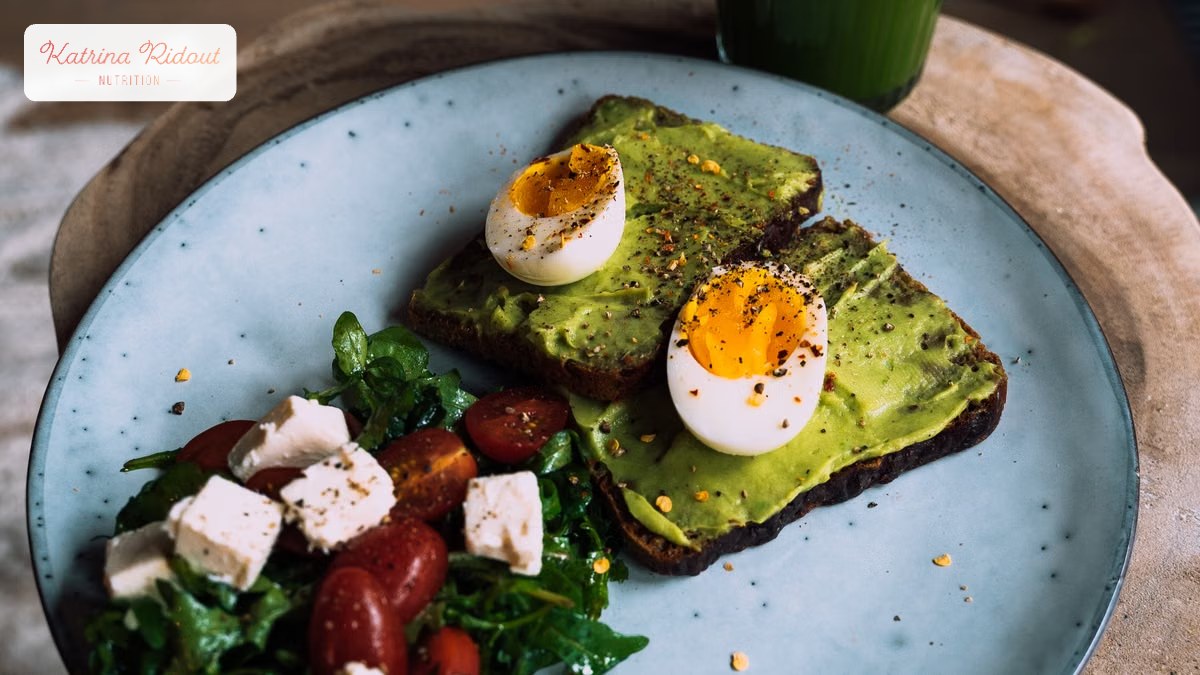
Food-first examples include vegetables and fruit, fish and seafood, nuts, seeds, wholegrain and fibre-rich foods, poultry, and low-fat dairy. These regularly appear in eating patterns linked with better sperm parameters, and I help you fit them into the way you already shop and cook.
Antioxidant supplements are often talked about for male fertility, but dose and duration are not well settled in the research. I err on the side of caution here, because what is useful for one person may be unnecessary for another, and we use supplements to supplement your diet, not replace it.
How long does it take for diet changes to affect sperm?
It takes months, not weeks, for diet changes to show up in sperm health. Sperm production follows a cycle, and the sperm you produce today began developing well before now. The nutrition and lifestyle choices you make now are shaping the sperm that will mature over the coming months.
Research on exact timelines is limited and everyone is different. A window of roughly three months is often discussed because it lines up with the sperm production cycle, but treat that as a guide rather than a promise. Consistent changes over several months give the most room for improvements to show.
That’s why preconception nutrition is worth starting early, ideally well before a planned conception or IVF cycle. Waiting until a cycle begins leaves less time for your eating pattern to influence sperm development.
Can lifestyle factors like alcohol, smoking and sleep affect sperm?
Yes, lifestyle factors can influence sperm quality. Alcohol, smoking, stress, sleep, body composition and physical activity are all worth reviewing when you are preparing for conception. They often matter as much as diet, and they tend to interact with each other.
I look at these together rather than one at a time. Poor sleep can affect food choices and stress levels, for example, while a lot of alcohol can crowd out nutrient-dense foods. Seeing the full picture helps you put your energy into changes that are realistic for you.
Heat exposure and other environmental factors are also discussed in relation to sperm health, though the evidence varies. Your GP or fertility specialist is the right person to guide you on those.
Does body weight affect male fertility?
Body weight can affect male fertility through hormonal changes. According to the 2020 Journal of Clinical Medicine review, obesity is associated with disruption of the hypothalamic-pituitary-gonadal axis, alongside higher oestrogen levels and lower testosterone, luteinising hormone (LH) and follicle-stimulating hormone (FSH).
A high-fat diet and obesity may also affect the structure of sperm, and the same review notes possible effects on offspring health later in life. This is an emerging area of research, and it points to the value of supporting metabolic health before conception.
The scales are only one indicator of health. Any change we work on is achievable and sustainable, done in a really safe way, with the focus on energy, bloods and an eating pattern that supports hormonal health over time.
What does an evidence-based male fertility eating pattern look like?
An evidence-based male fertility eating pattern includes plenty of vegetables and fruit, fish and seafood, nuts, seeds, wholegrains and fibre, poultry, and low-fat dairy. This pattern appears consistently in research on sperm health, and both reviews above link healthy dietary patterns with better sperm quality.
A Mediterranean-style approach is often mentioned because it naturally includes many of these foods. Effect sizes on conception and live birth are not firmly quantified yet, so the evidence supports the overall pattern rather than any single food or precise formula.
The practical takeaway is that variety and consistency matter. Building meals around vegetables, fish, legumes, wholegrains and nuts gives you a broad intake of zinc, selenium, omega-3s and antioxidants without needing to count individual nutrients. For more food ideas, have a read of my male fertility diet article.
How I can help
I’m Kat, an Accredited Practising Dietitian (APD), and I see men and couples preparing for conception, including partners supporting someone through IVF. You can see me in person at Milton Village Medical, Level 1, 36 Baroona Road, Milton QLD 4064, or by telehealth anywhere in Australia, from the comfort of your couch.
We’ll look at what you’re eating now, find the nutrition gaps, and land on a few simple little switches that fit your week. You’ll get a written plan after your first consult, and you can just email me in between appointments. Couples are very welcome to come in together.
A Medicare rebate may be available for eligible patients on a GP Chronic Condition Management Plan, so it’s worth a chat with your GP. If you’d like to get started, call me on 1300 640 104 or book through the website. I’d really look forward to supporting you both.
Kat xx
This article is general information, not individual medical advice. Please talk with your GP or fertility specialist about your own situation.
Key Takeaways
- Male factors contribute to infertility in up to half of couples, so sperm health deserves its own attention.
- Sperm concentration fell by around half between 1973 and 2011 in men from several regions, including Australia.
- Zinc, selenium, omega-3s and antioxidant vitamins support sperm health mainly by reducing oxidative stress and inflammation.
- An eating pattern rich in vegetables, fruit, fish, nuts, seeds, wholegrains and low-fat dairy is linked with better sperm quality.
- Obesity is associated with hormonal changes that can affect male fertility.
- Alcohol, smoking, sleep and stress may influence sperm health alongside diet.
- Diet changes take months to show in sperm, so starting preconception nutrition early is worthwhile.
Kat works one to one on fertility and preconception nutrition, for women and men, in person in Milton, Brisbane, or by telehealth anywhere in Australia. See how her fertility and preconception service works.
References
- Skoracka K, et al. Diet and Nutritional Factors in Male (In)fertility: Underestimated Factors. Journal of Clinical Medicine, 2020.
- Salas-Huetos A, et al. Dietary patterns, foods and nutrients in male fertility parameters and fecundability: a systematic review of observational studies. Human Reproduction Update, 2017.
- Levine H, et al. Temporal trends in sperm count: a systematic review and meta-regression analysis. Human Reproduction Update, 2017.
- Healthdirect Australia. Infertility.