If you are trying for a baby, you may have seen headlines earlier this year linking ultra-processed food to fertility. They landed with a thud in a lot of inboxes, mine included, because the wording in some of them went well past what the research actually showed.
Here is the calm version, and the part of it I think is actually useful.
What the study looked at
The research was published in the journal Human Reproduction in March 2026. Researchers followed 831 women and 651 male partners in the Netherlands from before conception onwards, estimated how much of each person’s diet came from ultra-processed food, and then tracked how long couples took to conceive and how early pregnancies grew.
Two findings stood out. Where the male partner’s intake of ultra-processed food was higher, couples took longer on average to conceive. Where the mother’s intake was higher, early embryonic growth and yolk sac size in the first trimester measured slightly smaller.

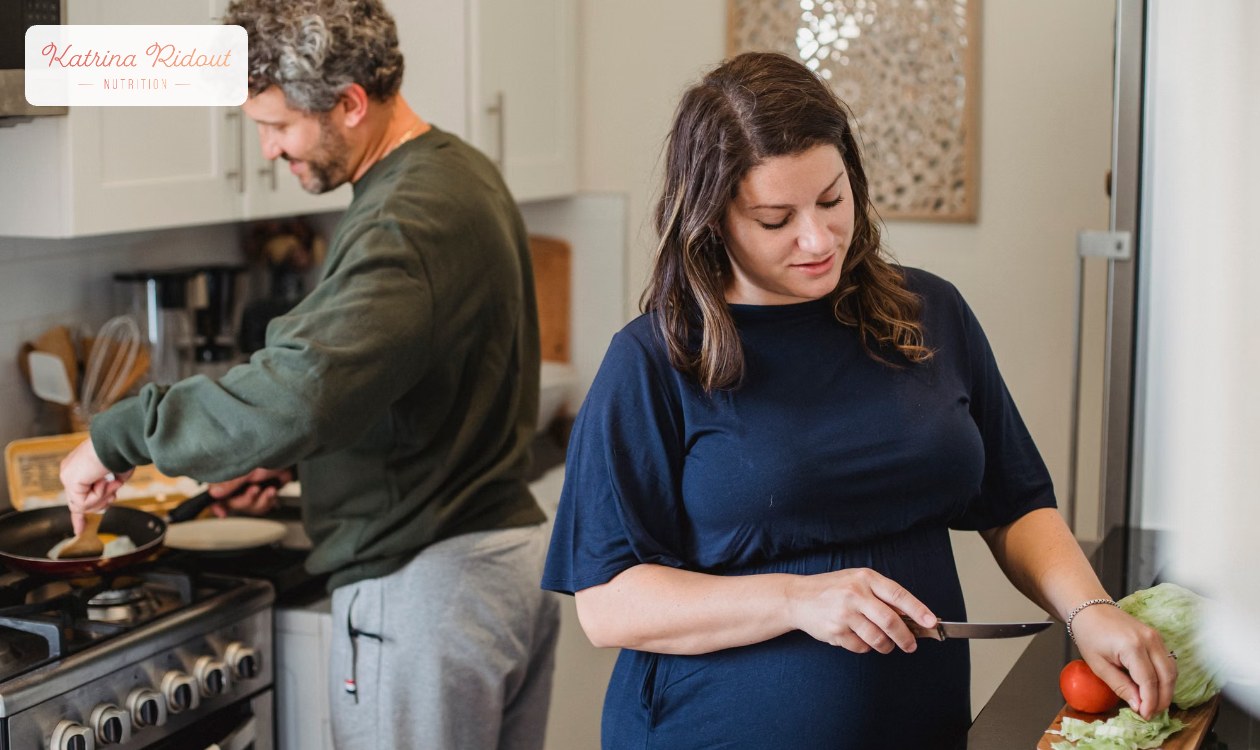
What he eats in the months before conception counts too.
Why the finding about men matters
For as long as I have worked in this space, preconception advice has landed almost entirely on women. She takes the folate, she rethinks her coffee, she reads the lists. Her partner is often told nothing at all.
Sperm are made continuously over roughly a three-month cycle, so what a man eats in the months before conception is not a footnote. This study is one of the clearer signals we have that his side of the equation deserves attention as well. If you are the partner reading this over her shoulder, consider that your invitation.
What “ultra-processed” actually means
The term comes from a food classification system called NOVA, which sorts food by how much industrial processing it has had rather than by kilojoules or fat. Ultra-processed foods are the ones assembled largely from refined ingredients, extracts and additives you would not find in a home kitchen.
I want to be careful here, because this is where nutrition advice usually goes wrong. I do not hand people lists of forbidden foods. Processing sits on a spectrum, plenty of packaged food is perfectly reasonable, and no diet is ruined by a chocolate biscuit. On national survey data, ultra-processed foods make up somewhere around 39 per cent of Australian adults’ energy intake, so what matters here is the overall pattern rather than any single purchase.
What the study does not say
This was an observational study, which means it can show associations but cannot prove cause. People who eat more ultra-processed food often differ in other ways as well. Income, time pressure, sleep, smoking, body weight and stress all travel alongside diet, and they are difficult to separate out completely.
It also does not say that ultra-processed food causes infertility, and it does not mean last Friday’s takeaway has harmed anything. Nobody should finish this article believing they have already spoiled their chances.
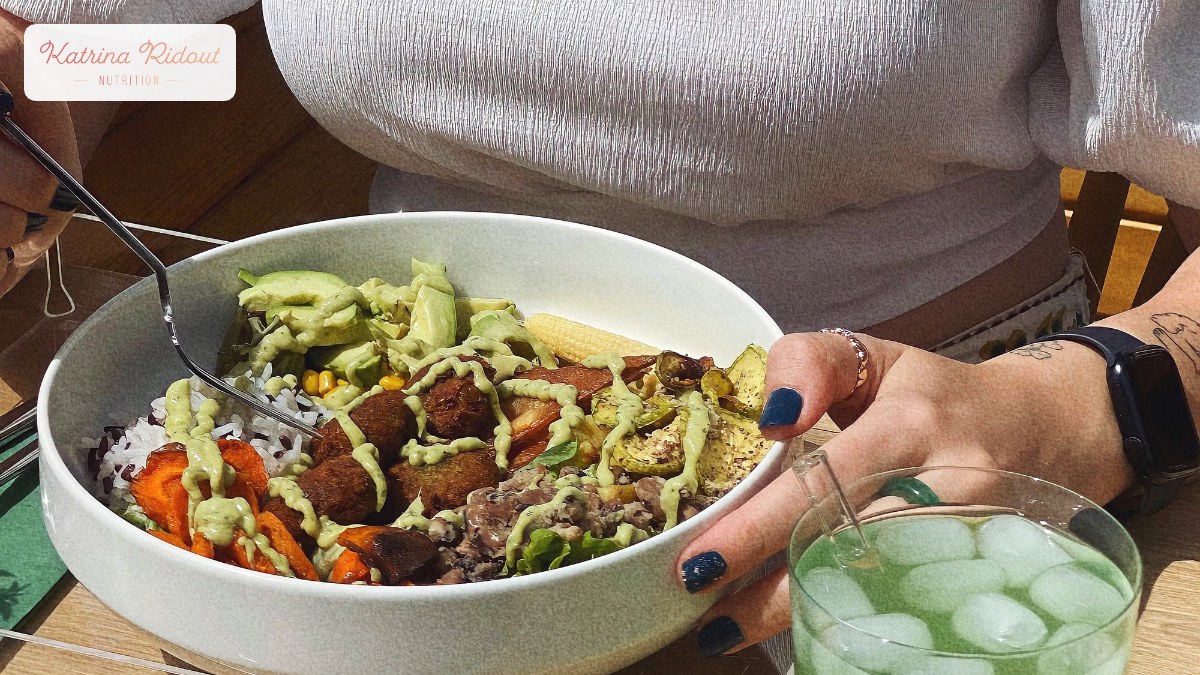
A better dinner rarely means a complicated one.
What I would actually change at your place
When a couple brings this to me, we do not overhaul anything. We usually start with whichever meal is already the weakest link, which for most people is dinner on a busy weeknight or breakfast eaten standing up.
A few things tend to work. Cook a double batch once a week so a real meal is waiting on the hard nights. Add a protein and a vegetable to the meals that currently have neither. Swap one habitual convenience item for something you would happily make at home. Small repeatable changes beat a strict plan you abandon by Thursday.
This is also a two-person job. When one of you is eating quite differently from the other, it gets much harder to keep going.
Where to start
If you are preparing for pregnancy or in the middle of an IVF cycle, you do not need to fix everything at once, and you certainly do not need to carry guilt about the last five years of dinners. What helps is a plan that fits the life you actually have, including the weeks when it all falls apart.
I work with women and couples across Australia by telehealth, alongside your GP and fertility team rather than in place of them. If you would like to talk it through, you can book a free 15-minute call with me here.
If you would like to see how I work with fertility clients, there is more on my fertility dietitian page.
Kat xx
Accredited Practising Dietitian (APD)