Nobody warns you that the hardest part of eating well after a baby arrives is not knowing what to eat. It is having two free hands, ten spare minutes and a functioning brain at the same time. Most postpartum meals advice assumes all three. This is written for the weeks when you have none of them.
Below are practical postpartum meals for new mums, the kind you can eat standing at the bench, cold, with one hand, at two in the morning.
Why the first six weeks are not the time for a meal plan
A structured meal plan asks you to shop, prep, cook and eat at set times. In the first six weeks after birth, your day is not organised around your hunger. It is organised around a newborn who has no idea what time it is.
So the goal in this stretch is not an optimal diet. It is a steady one. Eating something reasonable six times a day beats planning three perfect meals you never make. If you take one thing from this article, make it that lowering the bar in the early weeks is a strategy, not a failure.
The four things a postnatal body is actually asking for
You do not need to track anything. It helps to know what your body is working on, because it makes the food choices obvious.
- Energy. Recovery, broken sleep and feeding all draw on it. In the early weeks, eating often slips by accident rather than by choice.
- Protein. Tissue repair after birth uses it. It is also the thing most often missing when meals become toast and biscuits by default.
- Iron. Blood loss at delivery matters for months afterwards, not just days. Iron rich foods are worth keeping in easy reach.
- Fluid. Thirst can be surprisingly strong when feeding. A drink bottle in every room you sit in solves most of this.
That is the whole brief. Energy, protein, iron, fluid.
Meals you can eat one-handed
The test for a good postnatal meal is simple. Can you eat it while holding a baby, and does it still work if you get to it forty minutes later than you meant to?
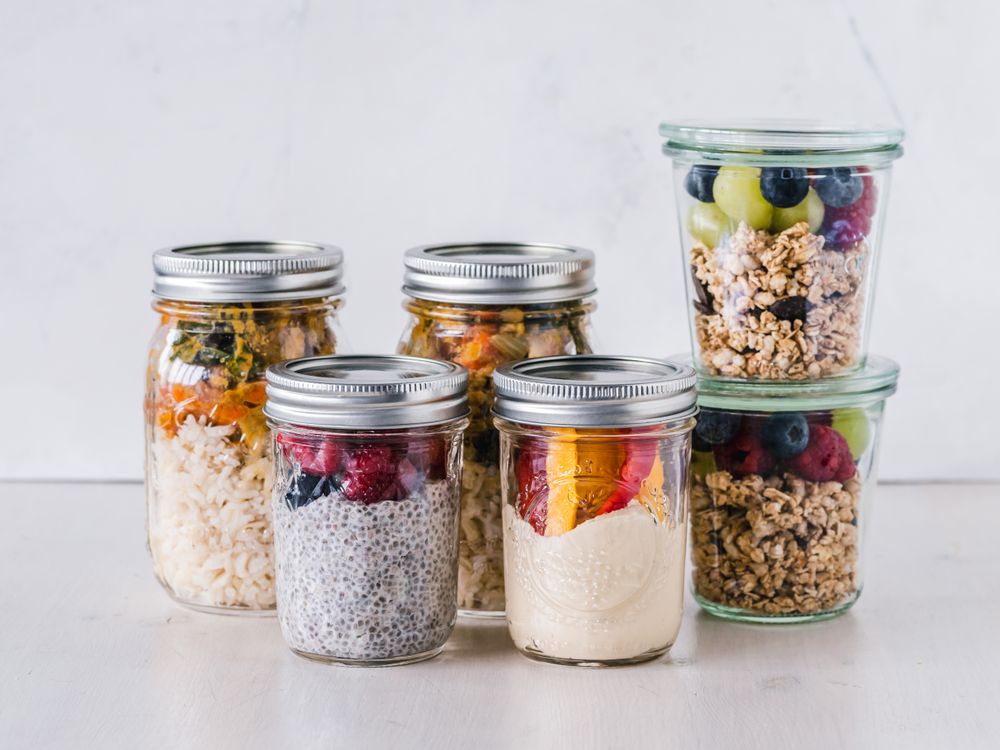
- Overnight oats made with milk or yoghurt, with fruit and nuts stirred through. Made the night before, eaten cold from the jar.
- Wholegrain toast with eggs, tinned fish or nut butter. Cut into fingers before you sit down.
- Cheese, wholegrain crackers and fruit on a plate. Not a compromise, just a meal.
- Leftover dinner eaten cold, straight from the container.
- Tinned salmon or beans through microwaved rice.
- Yoghurt with muesli and tinned or frozen fruit.
- A smoothie with milk or yoghurt, frozen fruit and oats, kept in a lidded cup.
Keep a snack basket on the bench and another wherever you feed. Nuts, dried fruit, muesli bars, crackers. The food you actually eat is the food within arm’s reach.
What to keep in the freezer before the baby arrives, and what to ask visitors to bring
If you are reading this while still pregnant, this is the highest value hour you can spend.
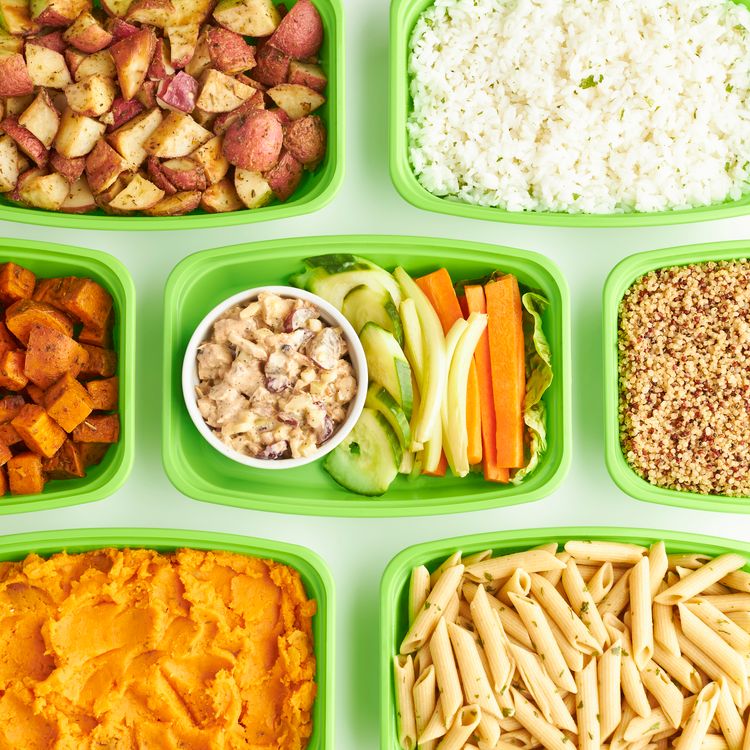
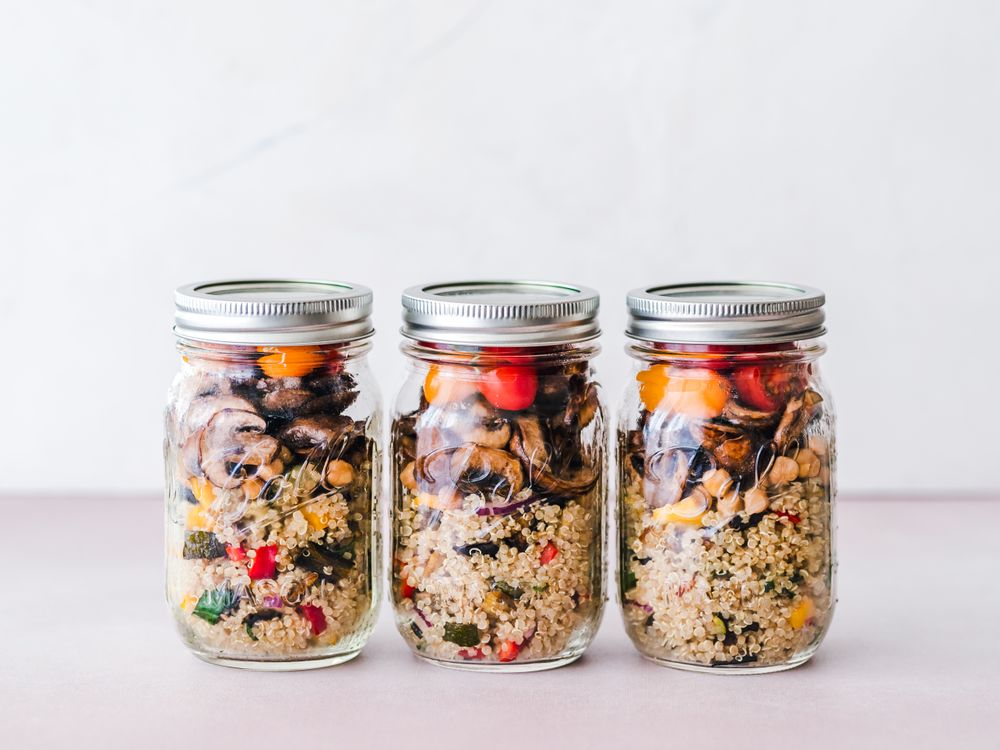
Freeze things that reheat in one container and can be eaten with a fork. Bolognese, curries, soups and casseroles all work. Freeze in single portions rather than family sized blocks, because you will be eating alone and at odd hours. Label them, because you will not remember.
Also useful in the freezer: sliced bread, frozen berries, frozen vegetables, and grated cheese. All of them turn a bare cupboard into a meal.
When people ask what they can bring, tell them. Most visitors genuinely want a job. Good answers are a cooked meal in a container you do not have to return, a bag of fruit, milk, or a roast chicken. A less obvious one is offering to hold the baby while you eat something hot.
When breastfeeding changes the picture
If you are breastfeeding, your appetite and thirst will usually be noticeably higher, and that is worth listening to rather than managing. Practically, it means more snacks and a drink within reach at every feed rather than a different diet.
There is no single list of foods that everyone must avoid while breastfeeding. If you are wondering about a specific food, or about supply, there is more detail in breastfeeding nutrition and milk supply.
When to get individual help
General advice covers most of the early weeks. It is worth speaking to someone individually if you are managing a condition such as coeliac disease, diabetes or a food allergy, if you had gestational diabetes and want to know what changes now, if eating has become a source of anxiety, or if you are simply not managing to eat and it has stopped feeling temporary.
Persistent exhaustion is also worth raising with your GP, who can decide whether bloods are appropriate. Food is one part of that picture and not the whole of it.
If you would like tailored support, you can read more about postnatal nutrition consultations. Sessions run by telehealth right across Australia, and a Medicare rebate may apply with a GP referral.
The short version
Eat more often than feels structured. Keep protein and iron in the snacks, not just the meals. Put a drink where you feed. Freeze single portions while you can. Let people bring you food.
None of that is a meal plan, and in the first weeks after birth that is exactly the point.
If you would like to talk something through, you can book a free 15 minute investigative callback.
If you would like the wider picture rather than just the first weeks, I have written about postnatal nutrition across the first year, stage by stage.
Kat xx