Iron, folate and iodine come up most weeks in my consults. Omega-3 comes up almost as often, and it is the one where I find myself giving the longest answer, because the honest answer is not simply take more.
There is good Australian evidence here, some of it from a trial run out of Adelaide, and it points somewhere more interesting than a blanket recommendation. So here is what I actually look at.
Two to three serves a week
The Australian advice in pregnancy is two to three serves of fish or seafood a week. A serve is 150 g, which is roughly two of those frozen crumbed portions.
That number surprises people, because the thing most women have absorbed about fish in pregnancy is a warning. The advice is not to avoid fish. It is to keep eating it, two to three times a week, and to be choosy about two particular groups.
The two groups that need limiting
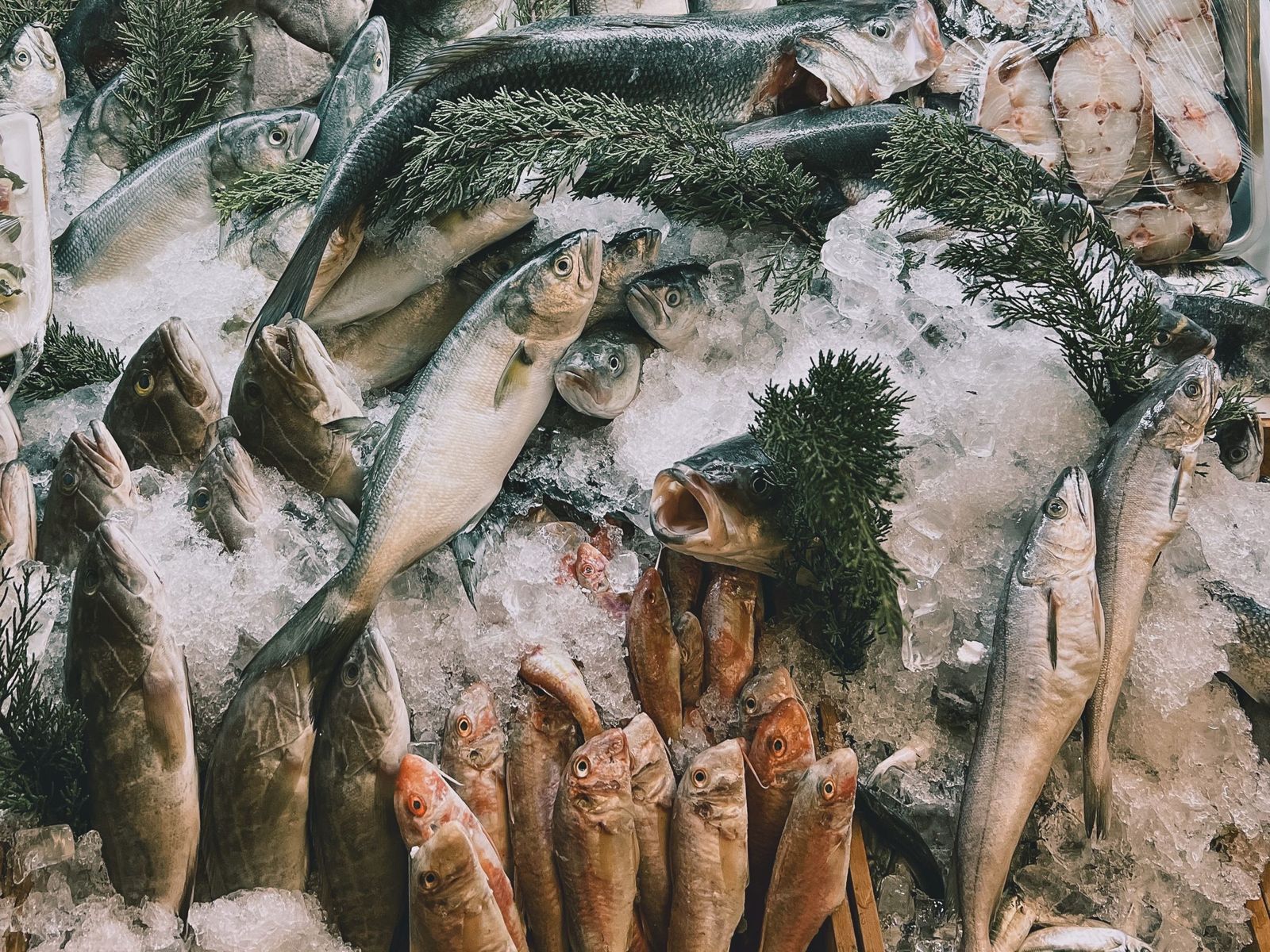
The list is short, and it is worth knowing properly rather than avoiding the whole fish counter.
- Orange roughy, often sold as sea perch, and catfish. One serve a week, and no other fish that week.
- Shark, which is usually labelled flake, and billfish, which covers swordfish, broadbill and marlin. One serve a fortnight, and no other fish that fortnight.
Southern bluefin tuna sits in the higher mercury group as well. Everything else is your two to three serves.
And if you have already had a meal of something on that list, that is not the problem. The concern is regular eating, not one dinner.
What the trials actually found
This is worth your attention, because the evidence on omega-3 in pregnancy is unusually strong for a nutrition question.
A Cochrane review published in 2018 pooled 70 randomised trials and 19,927 women. Preterm birth before 37 weeks fell from 13.4 per cent to 11.9 per cent, a relative reduction of about 11 per cent. Early preterm birth before 34 weeks fell from 4.6 per cent to 2.7 per cent, a relative reduction of about 42 per cent. The reviewers rated the certainty of both of those findings as high, which is not something you see often in nutrition.
I want to give you the other side of the same review, because it usually gets left out. Pregnancies continuing beyond 42 weeks probably increased, and there was a possible small increase in babies born large for their gestational age. The reviewers were clear about both.
So it is a real effect with a real trade off, and that is already a more useful picture than more is better.
The Australian trial that changed the question
Then came ORIP, run out of Adelaide and published in 2019. It asked whether giving omega-3 to everyone would reduce prematurity.
Across the whole group, it did not.
But in the women who started pregnancy with low omega-3 levels, early preterm birth fell by 77 per cent. The women who already had enough did not appear to gain anything from more.
That is the sentence I keep coming back to. This is not a supplement that works or does not work. It is a gap that matters if you happen to have it.
South Australia acted on that finding. Since 2021, SAHMRI and SA Pathology have offered a free omega-3 blood test inside the existing antenatal screening program, for singleton pregnancies under 20 weeks. More than 20,000 women have been tested and about 17 per cent come back low. The women who test low are advised 800 mg of DHA and 100 mg of EPA a day.
If you are pregnant anywhere else in Australia, that test is not routinely on offer. Worth knowing, rather than worth worrying about.
Food first, and the tinned tuna question
Fish is the only meat that carries much of the long chain omega-3 fats, and that is the whole reason the fish number exists in the first place.
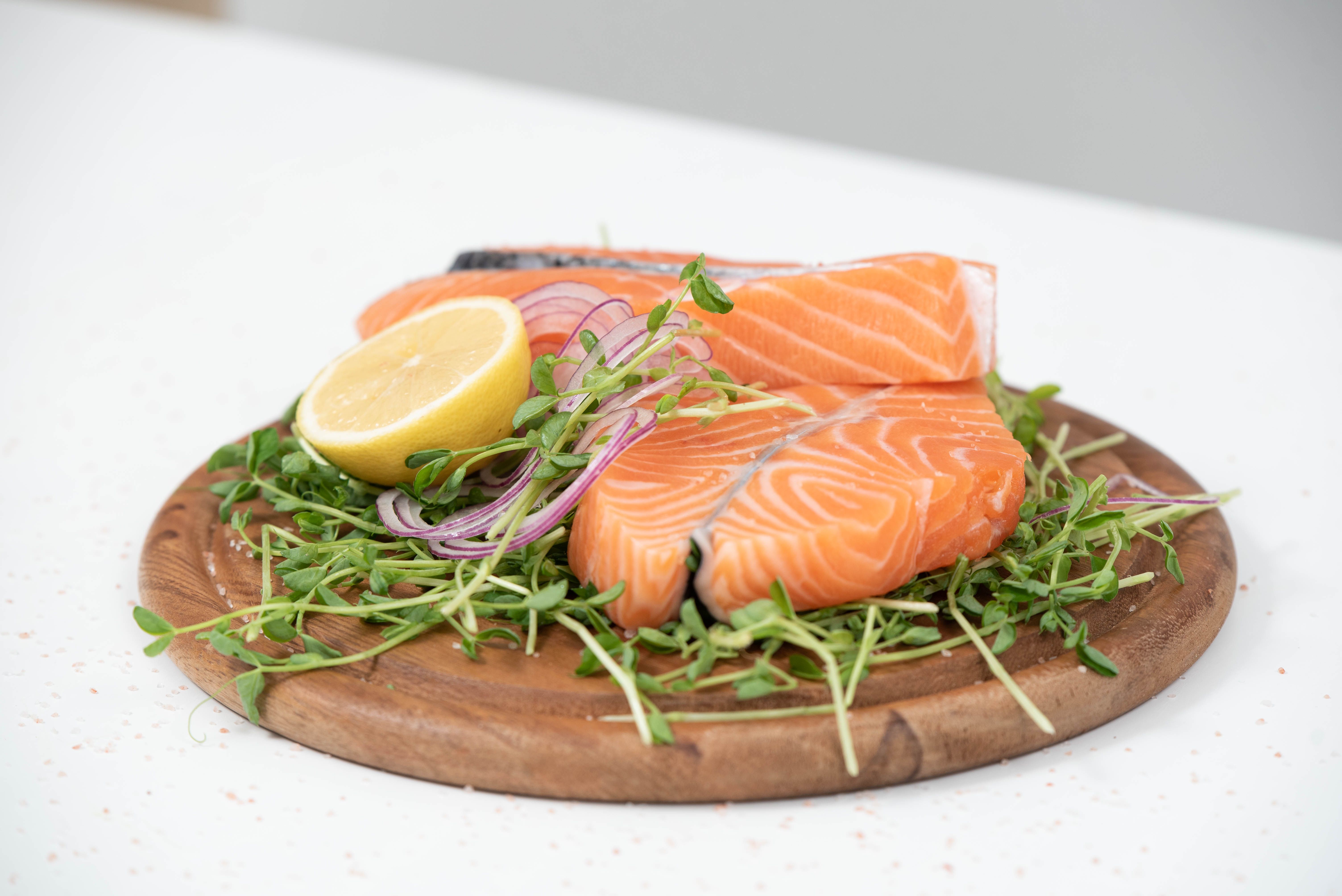
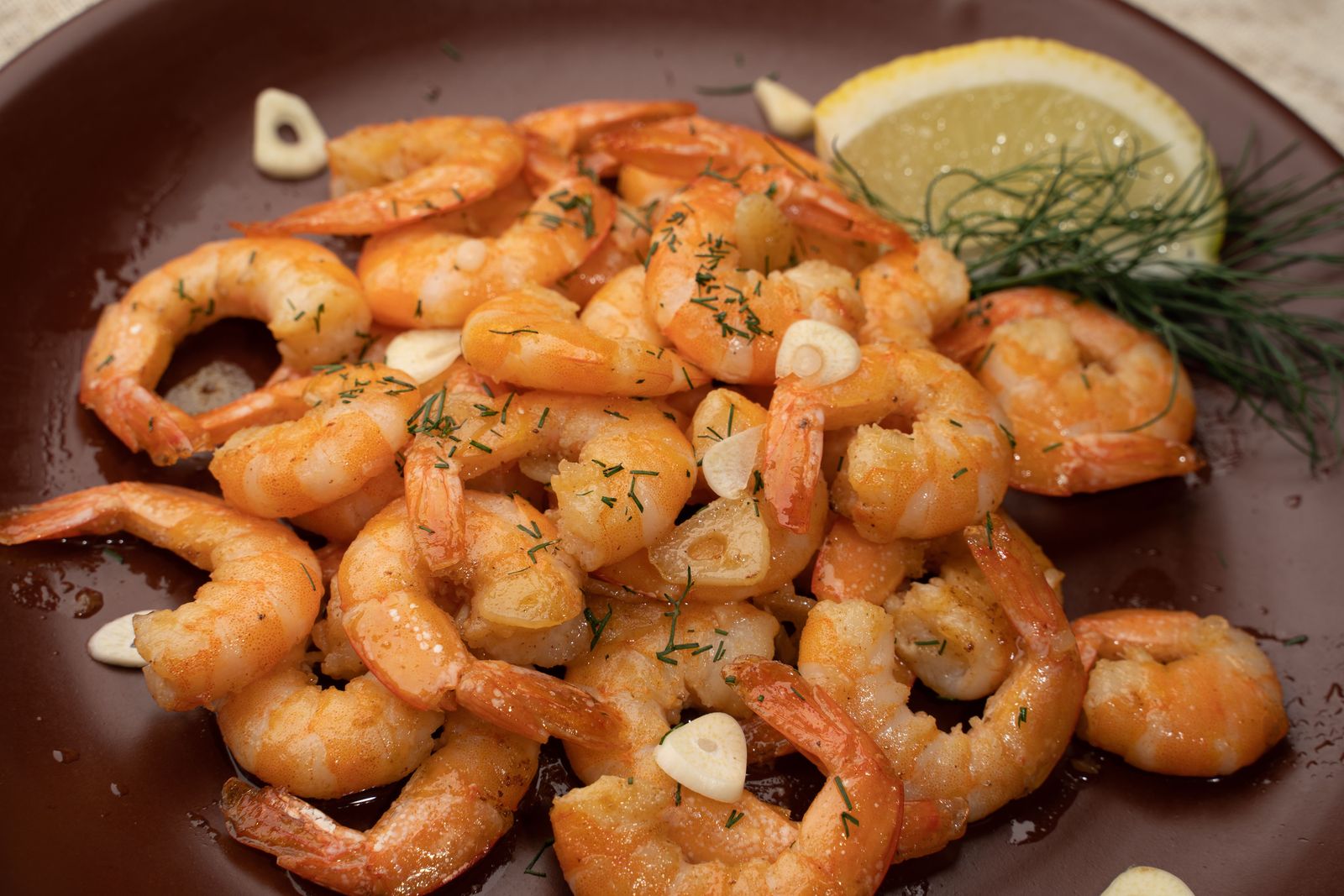
The easiest sources are also the cheapest ones. Salmon, sardines and mackerel are the oilier fish and carry the most. Prawns, lobster and oysters are in the lower mercury group. And tinned tuna is on the lower mercury list too, which catches a lot of women by surprise, because it has quietly developed a reputation it does not deserve.
A tin of salmon or sardines on toast is a legitimate serve. Very good nutrition bang for your buck, and it takes four minutes.
If you do not eat fish
Linseed, chia, walnuts and canola oil carry the plant form of omega-3. Your body converts some of it into the long chain forms, but that conversion is limited, so eating more seeds does not get a plant based diet to the same place.
Algal oil is the usual non-fish source of DHA, and it is worth talking through properly rather than guessing at in a supermarket aisle. I have written more about eating a vegetarian diet while pregnant if that is where you are.
Before you add a supplement
Three things I would want to know first.
- What you are already taking. Most pregnancy multivitamins contain some omega-3, and plenty of fish oil capsules are a small dose dressed up as a plan. Nobody has usually added it all up.
- How much fish you eat in a normal week, not a good week.
- Whether your GP or obstetrician has any reason to want you on a particular dose.
We use supplements to supplement your diet, never to replace it. And there is such a thing as too much of a good thing, which that 42 week finding is a quiet reminder of.
When this is worth a conversation
Most women do not need a dietitian to get two or three serves of fish into a week, and I would rather say that plainly.
Where it genuinely earns its place is narrower. If you cannot face fish at all this pregnancy, if you eat no animal foods, if you have a row of supplements on the bench that nobody has totalled, or if you have had an early preterm birth before and want a plain account of what the evidence does and does not support for you, that is a conversation worth having.
I am Katrina Ridout, an Accredited Practising Dietitian (APD) working in fertility, pregnancy and postpartum nutrition. I am a pregnancy dietitian in Brisbane and I consult across Australia by telehealth, so rural and regional patients are not excluded. You can read more about how I work with women through pregnancy on my pregnancy nutrition page.
This is general information and not advice for your own circumstances. Always be guided by your GP or specialist.
One pan lemon salmon with peas
Serves two, about twenty minutes, and it scales as far as your pan does.
Two salmon fillets, about 150 g each. One cup of frozen peas. One lemon. One small clove of garlic, crushed. One teaspoon of olive oil. A knob of butter if you like. Pepper, and dill or parsley if you have it. Couscous or a microwave wholegrain pouch to go underneath.
Pat the salmon dry and season it with pepper. Heat the oil in a frying pan over a medium high heat and lay the fillets in skin side down. Leave them completely alone for four minutes, until the skin releases easily, then turn them over. Tip the peas and the garlic into the pan around the fish with a squeeze of lemon and a splash of water, put a lid on, and give it three or four minutes until the peas are hot through and the salmon is opaque at its thickest part. Stir the butter and the herbs through the peas. Serve on the couscous with the rest of the lemon to squeeze over.
The dietitian note. Built with pregnancy omega-3 intake in mind, as general education rather than advice for anyone in particular. One fillet is about one of your two to three serves for the week. The peas bring fibre and folate along for the ride, and the lemon is there because it makes the whole thing taste like you tried. Cook the salmon until it is opaque right through, because we want it properly cooked in pregnancy rather than rare in the middle. A tin of salmon does the same job for a fraction of the price, if that is the sort of week you are having.
Kat xx