
Endometriosis affects roughly 1 in 9 Australian women and is one of the most common causes of infertility. While diet cannot cure endometriosis, there is growing evidence that what you eat meaningfully affects inflammation, oestrogen metabolism, pain levels, and fertility outcomes in women with the condition.
This guide outlines what the evidence says about diet and endometriosis, and what a fertility dietitian would recommend in practice.
Why Diet Matters in Endometriosis
Endometriosis is an oestrogen-dependent, inflammatory condition. Tissue similar to the uterine lining grows outside the uterus — on ovaries, fallopian tubes, and other pelvic structures. This tissue responds to hormonal cycles, causing pain, adhesions, and damage to reproductive organs.
Diet intersects with endometriosis in several ways:
- Systemic inflammation — pro-inflammatory diets drive the inflammatory cascade that worsens endometriosis symptoms
- Oestrogen metabolism — the liver, gut microbiome, and dietary fibre all influence how oestrogen is metabolised and cleared from the body
- Oxidative stress — women with endometriosis have elevated oxidative stress markers in peritoneal fluid; antioxidant nutrition may help counteract this
- Immune regulation — dietary factors influence immune function, which is relevant given endometriosis involves immune dysregulation
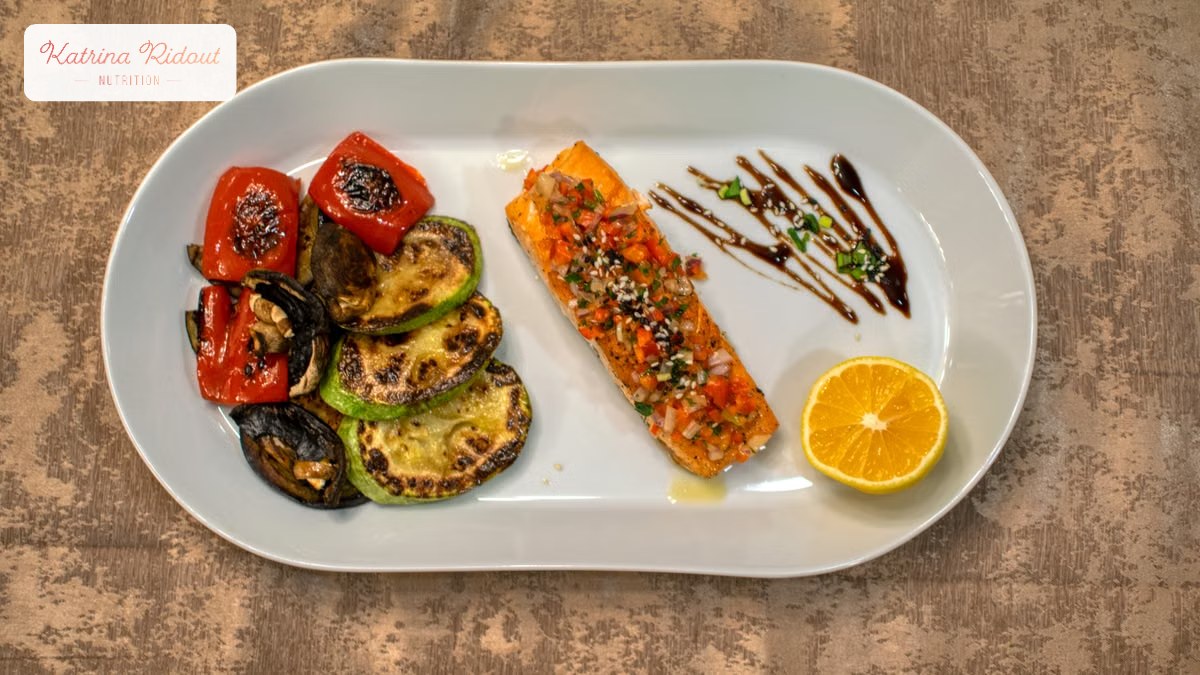
Meals built around fish, colourful vegetables and olive oil sit at the heart of an anti-inflammatory way of eating.
The Anti-Inflammatory Approach
The most evidence-supported dietary strategy for endometriosis is an anti-inflammatory eating pattern, most closely represented by the Mediterranean diet. A prospective study in Human Reproduction found that higher fruit and vegetable intake was associated with reduced endometriosis risk, while red meat was associated with increased risk.
Foods to prioritise
- Oily fish (salmon, sardines, mackerel, trout) — omega-3 fatty acids EPA and DHA have direct anti-inflammatory effects. Multiple studies link higher omega-3 intake with reduced endometriosis risk and lower symptom severity. Aim for 2–3 serves per week.
- Colourful vegetables — especially dark leafy greens (spinach, kale, silverbeet), cruciferous vegetables (broccoli, Brussels sprouts, cabbage), and orange/red vegetables. These provide antioxidants, magnesium, and fibre for oestrogen clearance.
- Fruits — berries (particularly rich in antioxidants), citrus, kiwifruit. Aim for 2 serves daily.
- Legumes — lentils, chickpeas, black beans. High in fibre (critical for oestrogen excretion) and phytoestrogens (which weakly compete with oestrogen at receptor sites).
- Extra virgin olive oil — rich in oleocanthal, which has similar anti-inflammatory action to ibuprofen at high doses. Use as primary cooking fat.
- Turmeric and ginger — curcumin (in turmeric) and gingerols have demonstrated anti-inflammatory and antioxidant effects in in-vitro and small clinical studies. Include regularly in cooking.
- Whole grains — brown rice, quinoa, oats. Provide sustained energy and fibre to support gut health and oestrogen metabolism.
If you are trying to conceive and want advice that fits your own situation, book a free 15-minute call with Kat Ridout, Accredited Practising Dietitian. Brisbane based, telehealth Australia-wide.
Read more about endometriosis nutrition support with Kat, in Milton or by telehealth.
Oestrogen Metabolism and Diet
Because endometriosis is oestrogen-dependent, supporting healthy oestrogen metabolism is a key dietary goal.
Dietary fibre
Soluble and insoluble fibre bind to excreted oestrogens in the gut, preventing them from being reabsorbed into circulation. Low-fibre diets are associated with higher circulating oestrogen levels. Aim for at least 25–30g of fibre daily from vegetables, legumes, whole grains, and fruit.
Cruciferous vegetables
Broccoli, cauliflower, Brussels sprouts, and cabbage contain indole-3-carbinol (I3C), which is converted to DIM (diindolylmethane) in the gut. DIM supports the liver’s conversion of oestradiol (more potent) to the weaker 2-hydroxy oestrogen metabolites. Multiple studies suggest DIM supplementation may benefit oestrogen-dominant conditions.
Gut health
The “estrobolome” — the collection of gut bacteria that regulate oestrogen metabolism — plays a key role in oestrogen recycling. Poor gut diversity can lead to elevated circulating oestrogen. A diet rich in prebiotic fibre (garlic, onion, leek, asparagus, oats) supports a healthy estrobolome.
Foods to Limit with Endometriosis
Red and processed meat
Multiple studies link high red meat consumption with increased endometriosis risk and worsened symptoms. Red meat (beef, lamb, pork) contains arachidonic acid, a precursor to pro-inflammatory prostaglandins — the same prostaglandins that drive menstrual pain. Limit red meat to 1–2 times per week and avoid processed meats (sausages, deli meats) where possible.
Trans fats
Found in many ultra-processed foods, trans fatty acids promote systemic inflammation. One large prospective study found women with the highest trans fat intake had a 48% higher risk of endometriosis diagnosis. Avoid packaged biscuits, pastries, fried fast food, and margarine containing partially hydrogenated oils.
Alcohol
Alcohol impairs the liver’s ability to metabolise and clear oestrogen, and is pro-inflammatory. Even moderate intake (1–2 drinks per day) has been associated with increased endometriosis risk. Limiting or avoiding alcohol is particularly relevant for women with more severe disease.
Refined carbohydrates and added sugar
High glycaemic foods drive insulin spikes, which in turn stimulate ovarian oestrogen production. They also promote systemic inflammation via advanced glycation end products. Swap white bread, white rice, biscuits and soft drinks for whole grain alternatives, and limit added sugar to less than 25g daily.
Key Supplements for Endometriosis
Omega-3 fatty acids (EPA + DHA)
If oily fish intake is below 2–3 servings per week, a fish oil supplement providing at least 1–2g EPA+DHA daily is reasonable. Omega-3s directly inhibit the production of prostaglandin E2, reducing inflammation and pain signalling.
Vitamin D
Vitamin D deficiency is more common in women with endometriosis, and vitamin D has immune-modulatory effects relevant to the condition. Have your level tested. Most women in Australia need at least 1000–2000 IU/day to maintain optimal levels (>75 nmol/L).
Magnesium
Magnesium relaxes smooth muscle, reducing uterine cramping and prostaglandin-mediated pain. It also reduces systemic inflammation and supports sleep — both relevant for endometriosis management. Found in dark leafy greens, nuts, seeds, and legumes. Supplementation (200–400mg/day glycinate or citrate) can help if dietary intake is low.
N-acetylcysteine (NAC)
A small Italian RCT found NAC (1.8g/day for 3 months) reduced endometrioma cyst size and pain more than the comparator group. NAC is an antioxidant and glutathione precursor. While evidence is preliminary, it’s being used by some fertility specialists as an adjunct for endometriosis management.
Zinc
Zinc has anti-inflammatory and immune-modulating properties, and lower zinc levels have been found in women with endometriosis. Food sources: oysters, red meat, pumpkin seeds, legumes. Supplementation (15–25mg/day) may be warranted if dietary intake is low.
Endometriosis, Diet, and Fertility
Endometriosis impairs fertility through several mechanisms: distortion of tubal anatomy, altered follicular environment, impaired implantation, and chronic inflammation. Nutritional support overlaps significantly with the fertility-focused interventions already described:
- Mediterranean dietary pattern
- CoQ10 for mitochondrial support in developing eggs
- Omega-3s for follicular fluid quality and embryo development
- Vitamin D optimisation
- Antioxidant-rich diet to counteract oxidative stress in peritoneal fluid
Women with endometriosis pursuing IVF should also be under the care of a fertility specialist, but nutritional optimisation is a meaningful additional lever — particularly in the 90 days before a cycle.
As an APD, I tailor endometriosis nutrition support to your symptoms, your routine and the foods you love.
Working With a Dietitian for Endometriosis
Because endometriosis presentations vary widely — from mild to severe, with and without fertility concerns — a personalised approach is more effective than a generic diet plan. A fertility dietitian can help you identify specific nutritional deficiencies, address gut health concerns, and build a practical eating plan that accounts for your symptoms, food preferences, and treatment goals.
Katrina Ridout is an Accredited Practising Dietitian in Brisbane specialising in endometriosis nutrition and fertility. She offers in-person consultations in Brisbane and telehealth appointments across Australia.
Book a consultation to get personalised nutrition support for endometriosis.
If you are trying to conceive and want advice that fits your own situation, book a free 15-minute call with Kat Ridout, Accredited Practising Dietitian. Brisbane based, telehealth Australia-wide.