There is a nutrient on your pregnancy list that probably never made it onto your list. Iron, folate, iodine, omega-3: I am asked about those most weeks. Choline comes up perhaps twice a year, usually because someone read one sentence about it somewhere and now feels behind. And the Australian data we have suggests roughly half of us are not meeting the target for it.
So this is the plain version. What choline is for, what the Australian number actually is, where it comes from in ordinary food, and the one source you should not take at face value while you are pregnant. General information only, not advice for your own circumstances.
What choline is actually for
Choline is used to build the membranes around your cells, and it is a building block for one of the chemical messengers your nerves use. In pregnancy your body draws on it more than usual, because it is being laid down in the baby and in the placenta as they grow.
That is the honest summary. You will find bigger claims online about choline and babies brains, and some of that research is genuinely interesting, but it is not settled enough for me to promise you anything. What we do know is that it is a real nutrient with a real Australian target, and that the target is being missed more often than it is being met.
The Australian number, and the surprise inside it
The National Health and Medical Research Council sets an Adequate Intake rather than a firm requirement for choline, which is a signal in itself that the evidence is still developing. The figures for women are:
- Not pregnant, 19 to 50 years: 425 mg a day
- Pregnant: 440 mg a day
- Breastfeeding: 550 mg a day
The upper level for adults is 3,500 mg a day, and that same ceiling applies in pregnancy and breastfeeding, because there is no evidence of extra sensitivity in those groups.
Now the part I find most useful, and the part nobody mentions. Look at the jump from 425 to 440. That is 15 mg. The NHMRC worked the pregnancy figure out from how much choline ends up in the baby and the placenta across the whole pregnancy, which came to roughly 3,000 mg in total, or about 11 mg a day spread out. They added that to the adult figure and rounded.
So pregnancy barely moves the target. Which means if you are falling short, you were almost certainly falling short before you were pregnant too. This is not a pregnancy-specific emergency that appeared with the positive test. It is an ordinary gap in an ordinary diet, and that is a much less frightening thing to fix.
Are Australian women getting it
The best Australian picture we have comes from a study of pregnant women in Adelaide, published in Nutrients in 2022. Ninety-three women completed a food questionnaire in early pregnancy and 84 did in late pregnancy.
The median intake in early pregnancy was 362 mg a day. Thirty-nine per cent of the women were over the 440 mg target early on, rising to 51 per cent later in pregnancy. So around half were under it.
Where it was coming from, in early pregnancy: eggs 17 per cent, red meat 12 per cent, nuts and legumes 11 per cent, dairy 10 per cent. Those four together made up about half of all the choline these women ate.
I want to be fair about the limits of that study before you build anything on it. It is small, it is one city, it used a food frequency questionnaire rather than weighed food, and it was funded by Australian Eggs, which the authors disclose. Eggs coming out on top is therefore worth a raised eyebrow. The authors themselves concluded only that few women met the target and that more work is needed to pin down what pregnancy choline requirements really are.
I still think it is worth knowing. It is the best local estimate available, and the direction it points is the same direction the international data points.
Where it comes from, in food you already buy
The NHMRC names milk, liver, eggs and peanuts as particularly good sources, and for vegetarians eating a lot of refined grains it names wheat germ and dried soybeans. Choline is spread fairly widely through foods rather than concentrated in a handful of superfoods, which is good news.
In practice, this is a list of things most people already like:
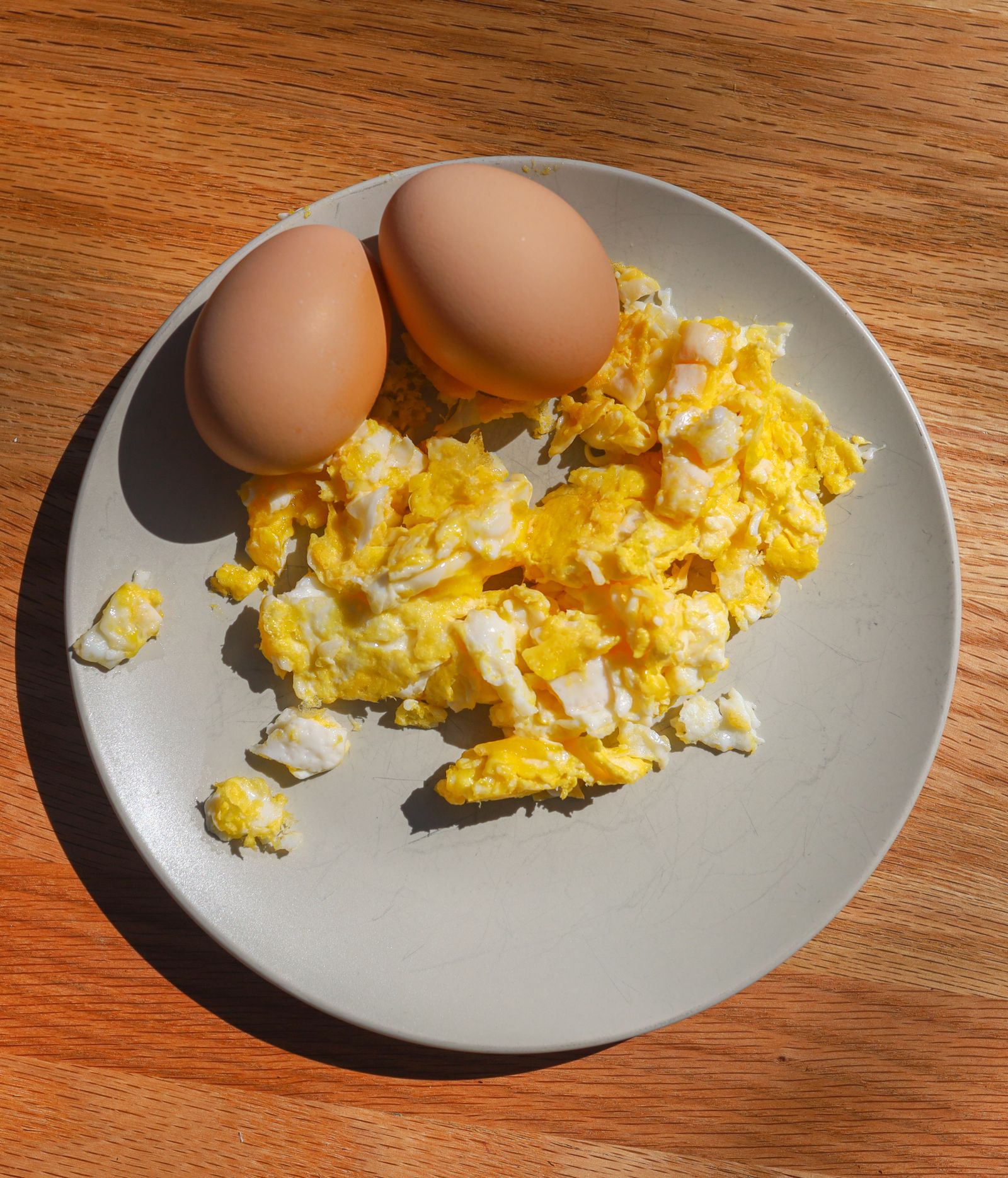
- Eggs, which were the single biggest contributor in the Australian study
- Milk, yoghurt and cheese
- Legumes, so chickpeas, lentils, baked beans, tofu and soybeans
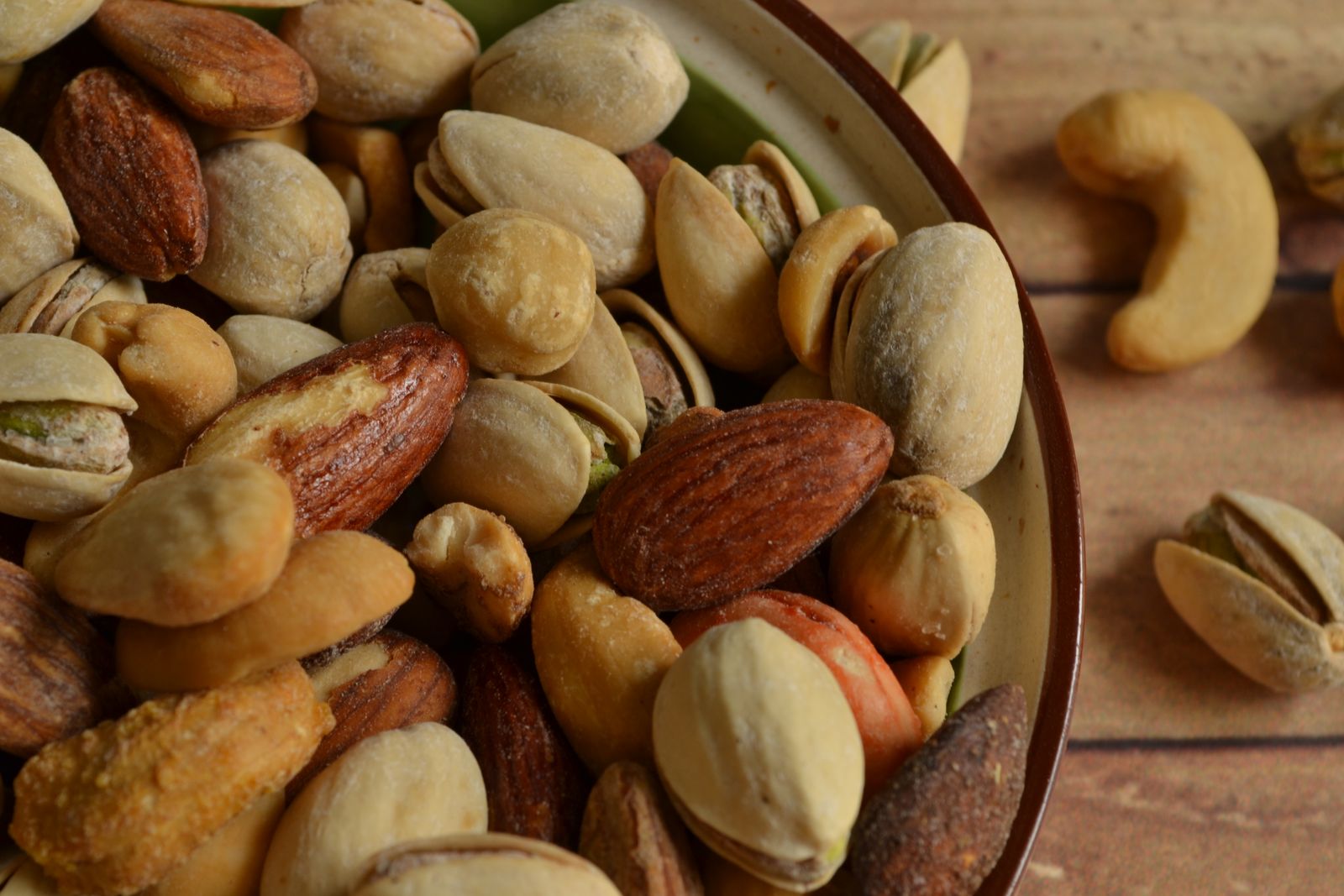
- Nuts, with peanuts specifically named
- Wholegrains, and wheat germ if you want the concentrated version, stirred through yoghurt or porridge
- Red meat and chicken, if you eat them
You will notice there is nothing on that list from a health food shop. I guess the key thing is that this is a gap you close by adding, not by buying. If you are already eating eggs a few times a week, having dairy most days and getting legumes in once or twice, you are most of the way there. If eggs are not happening because you cannot face them, legumes and dairy do a lot of the same work.
And a note for anyone eating plant based: choline is one of the nutrients genuinely worth planning for rather than assuming, alongside the usual suspects. Soy foods, legumes, nuts and wheat germ are where it comes from. I have written separately about planning a vegan pregnancy properly.
The one source not to take at face value
Liver is on the NHMRC list of good choline sources, and it is. It is also the one I would not act on while you are pregnant.
Liver is extremely high in preformed vitamin A, and in pregnancy that is the nutrient where the ceiling matters more than the target. Australian advice is to go carefully with liver and liver products in pregnancy for exactly that reason. So if you read a list of choline powerhouses and liver sits at the top, that list was not written with pregnancy in mind.
This is a decent illustration of why a single nutrient list is a risky way to plan a pregnancy diet. Chasing one number can walk you straight into a problem with another. If you want the fuller picture of what to be careful with, I have covered the foods to avoid in pregnancy in Australia separately.
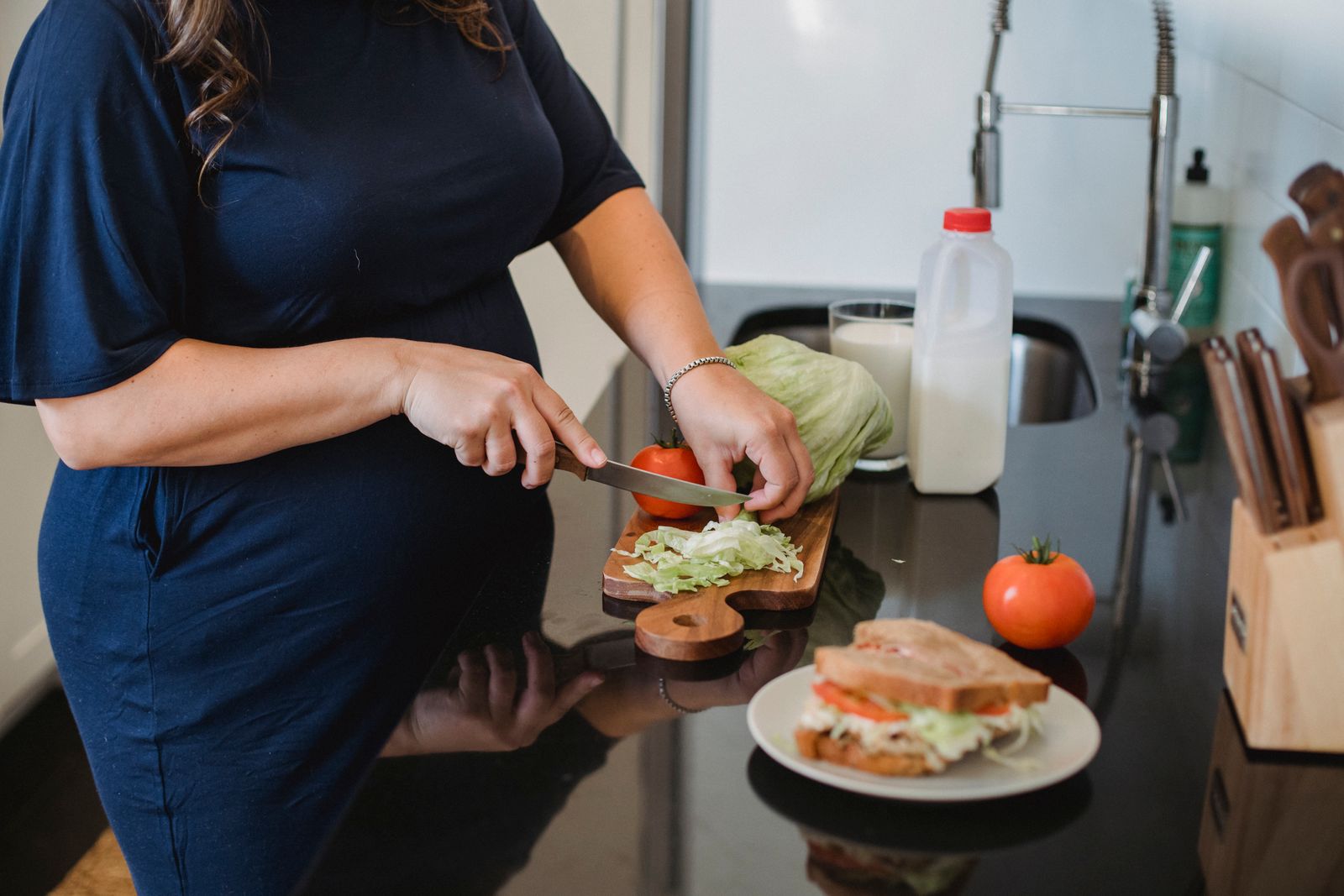
The five minute version: mushroom, spinach and cheese omelette
If you want one meal that quietly does a lot of this at once, it is an omelette. Eggs, a splash of milk and a little cheese, which is three of the four big contributors in one pan. Serves one, and it scales as far as your pan does.
You need: 2 eggs. A splash of milk. 1 teaspoon of olive oil or butter. A handful of sliced mushrooms. A big handful of baby spinach. About 20 g of grated tasty cheese. Pepper, and dill or parsley if you have it. A couple of cherry tomatoes, halved. A slice of wholegrain toast on the side.
What to do: Heat the oil in a small frying pan and cook the mushrooms over a decent heat for three or four minutes until they colour. Add the spinach and let it wilt, then tip the lot onto a plate. Whisk the eggs with the milk and plenty of pepper. Pour them into the pan over medium low heat, lifting the edges as they set so the loose egg runs underneath. When the top is almost set, scatter the mushrooms, spinach and cheese over one half, fold the other half over, and give it another minute. Cook it until the egg is set right through with nothing runny left. Slide it out, add the tomatoes and the toast.
The dietitian note. Built with pregnancy choline intake in mind, as general education rather than advice for anyone in particular. The eggs do most of the work, the milk and cheese add a little more, and the wholegrain toast brings fibre and, if it is made with Australian bread flour, some iodine as well. Two things matter for pregnancy. Cook the egg until it is set all the way through, because we want no runny egg at this stage. And use a hard pasteurised cheese, which tasty cheese is. It is not a wonder food in itself. It is just very good nutrition bang for your buck for five minutes of work.
When this is worth bringing to a dietitian
Most women do not need an appointment to sort out choline. If you eat eggs, dairy and legumes reasonably often, you are probably fine, and a quick look at your week is all it takes.
Where I think it earns its place is when the gap is not really about choline. When eating plant based and you want the whole plan checked rather than one nutrient at a time. When nausea or aversion has narrowed what you can face, so the usual advice to just eat more does not land. When there are four or five supplements on the bench and nobody has added them up. Or when you are breastfeeding, where the target goes up to 550 mg a day and the practical answer is different again, which I have written about in what to eat while breastfeeding.
I am an Accredited Practising Dietitian (APD) working in fertility, pregnancy and postpartum nutrition. I am a pregnancy dietitian Brisbane based, consulting across Australia by telehealth, and I work alongside your GP, obstetrician or midwife rather than over the top of them. You can read more about how I work on my pregnancy nutrition page.
Kat xx
This article is general information and not individual advice. Please be guided by your own treating team.