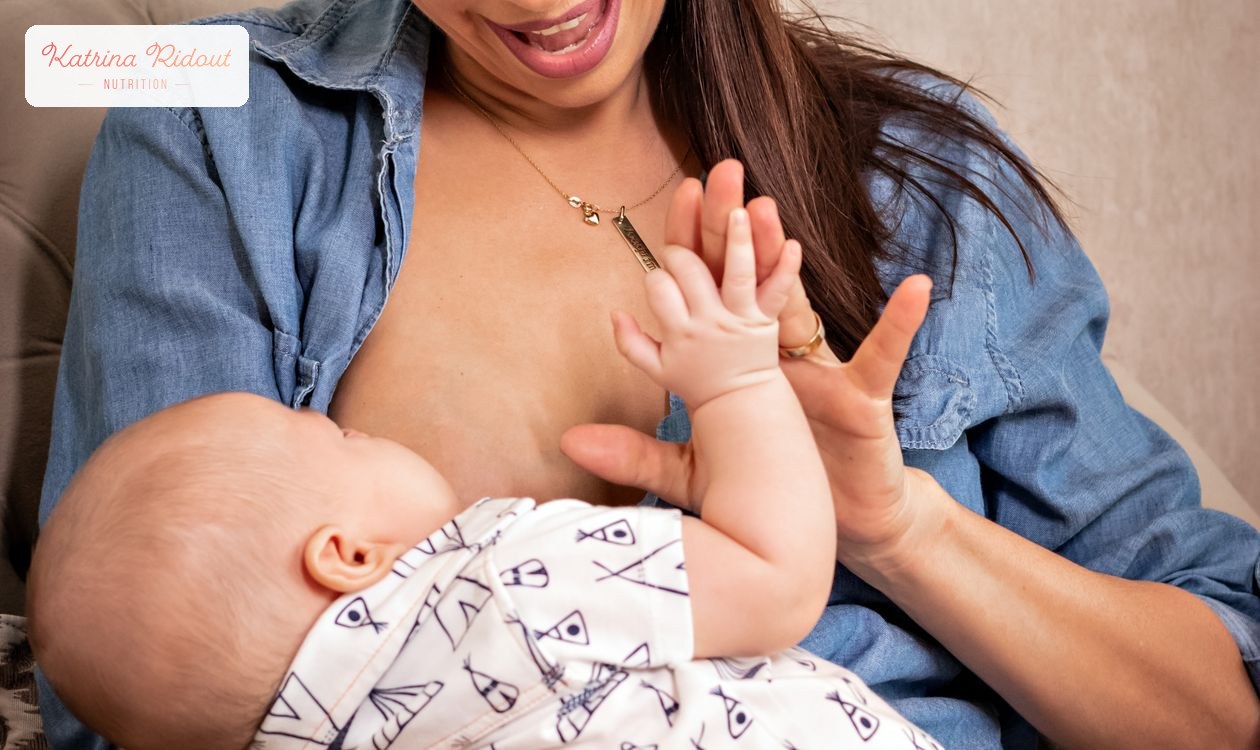
Somewhere around week two or three, almost every breastfeeding mum I work with has done the same thing: sat up at 3am, baby finally asleep, googling “how to increase milk supply”. And the internet has answers ready. Lactation cookies. Supply teas. Brewer’s yeast in everything. Special smoothie powders with a subscription option.
I want to gently walk you through what actually matters, because the real picture is both simpler and kinder than the ads suggest.
What actually drives milk supply
Milk production runs mostly on demand and removal. The more often milk is removed from the breast, effectively, the more your body is signalled to make. That’s why frequent feeds, a good latch and responsive feeding do more for supply than any food ever could.
So if supply is worrying you, the very best first step isn’t in the pantry. It’s a lactation consultant, your child health nurse or your GP, who can look at what’s happening with feeding itself. I say this as a dietitian who would love to tell you food fixes everything. It doesn’t, and you deserve honest information more than another biscuit recipe.
So where do lactation cookies fit?
Here’s the truthful answer: the evidence behind lactation cookies and supply teas is limited. Oats, brewer’s yeast and the various herbal blends haven’t been shown convincingly to lift supply in well-designed research. That doesn’t make a lactation cookie a bad thing. If it’s delicious and it reminds you to actually eat something at 10am, lovely. It’s a snack, and snacks are valuable when you have a newborn.
What I’d rather you didn’t do is spend serious money expecting a biscuit or tea to solve a supply concern, or feel you’ve failed when it doesn’t. And because herbal products vary so much in what’s actually in them, anything beyond an ordinary cuppa is worth checking with your pharmacist or GP while breastfeeding.
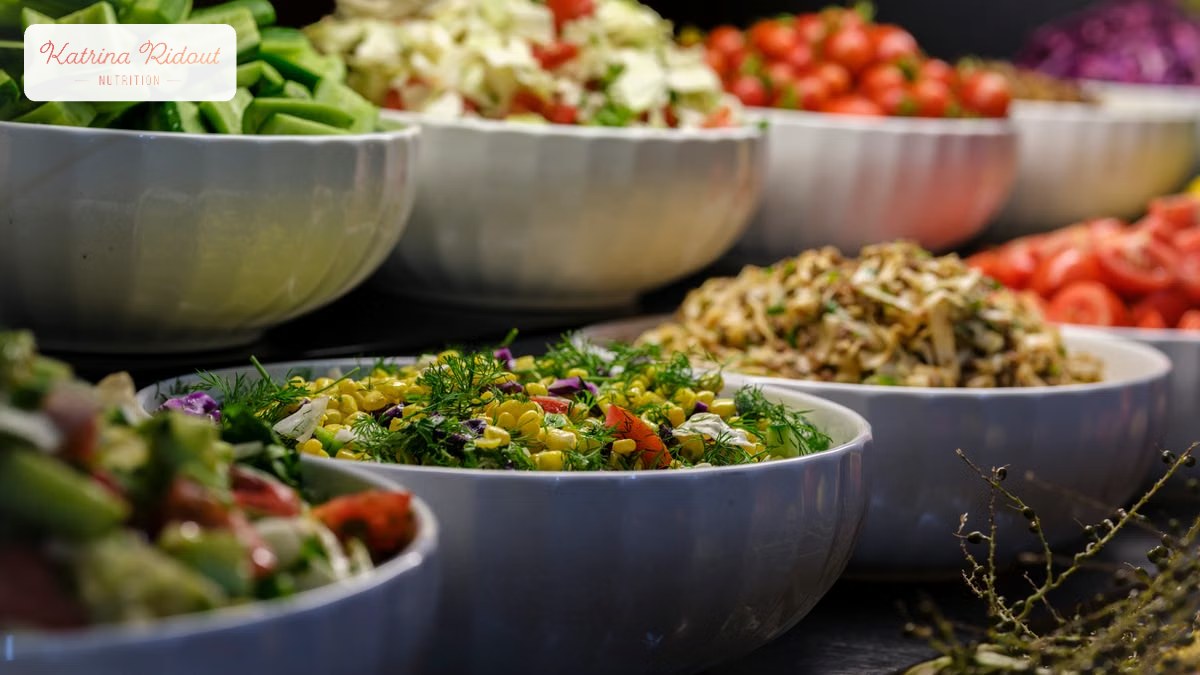
Keeping simple, nourishing food within easy reach makes such a difference in those early weeks.
The person who most needs feeding is you
While food doesn’t drive supply the way the marketing claims, it absolutely drives how you feel: your energy, your recovery from birth, your mood, your ability to cope with broken sleep. Breastfeeding is hungry work. For most women it adds around 2,000 kilojoules a day to energy needs, roughly a decent extra meal. Many mums tell me they’ve never been hungrier in their lives, and that hunger is real and worth answering.
The catch is that you’re feeding a baby with one or both hands most of the day. So think one-handed and low-prep. Cheese and crackers. Yoghurt with a handful of nuts. A banana with peanut butter. Boiled eggs done in a batch. Toast with whatever protein is easiest. A big pot of soup made once and eaten for days, which suits these cold Brisbane evenings perfectly. None of this is fancy, and that’s the point.
Thirst while breastfeeding is no joke
Most mums notice a wave of thirst the moment bub latches. Drinking to thirst is the guide, no set number of litres required. The practical trick is to keep a big water bottle wherever you usually feed, because thirst always arrives once you’re pinned under a sleeping baby. In winter, warm drinks count too, and a cuppa that’s still hot is one of postpartum’s small victories.

Feeding your baby asks a lot of your body, and you deserve to be nourished too.
When it’s worth getting individual support
Some situations deserve more than general tips: recovering from a difficult birth, low iron, dietary restrictions, a bub with suspected allergies, gestational diabetes in the pregnancy just gone, or simply feeling utterly depleted. Tailored advice can lift a surprising amount of weight off your shoulders.
If you’re in the thick of it and wondering whether you’re eating anywhere near enough, I’d love to chat. My free 15-Minute Investigative Callback is a relaxed conversation about where you’re at, no strings attached.
You’re doing something enormous. Feed yourself like it.
Kat works one to one on postpartum and breastfeeding nutrition in person in Milton, Brisbane, or by telehealth anywhere in Australia. See how her postpartum and breastfeeding service works.
Kat xx
Accredited Practising Dietitian (APD)